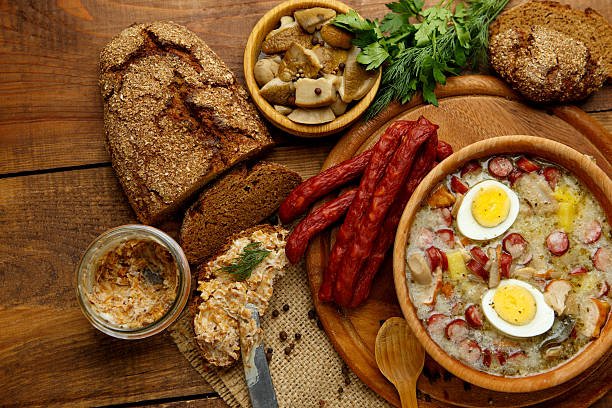
Polish cuisine is hearty, comforting, and deeply rooted in the country’s history of farming, harsh winters, and resourceful cooking. Think simple ingredients like potatoes, cabbage, pork, mushrooms, and fermented staples turned into dishes that warm the soul and fill the belly. I’ve had the chance to eat my way through Poland—from street stalls in Krakow to family gatherings in smaller towns—and these foods never fail to impress. They’re not fancy, but they’re honest, flavorful, and often tied to family traditions or seasonal celebrations.
If you’re planning a trip or just want to cook authentic Polish meals at home, here’s my take on the 20 best traditional Polish foods you’ll truly love. I’ve ranked them based on popularity, cultural significance, and how much joy they bring to the table.
1. Pierogi (Polish Dumplings)
Pierogi are the undisputed star of Polish food—soft, pillowy dumplings filled with everything from savory to sweet. Boiled, then often pan-fried with butter and onions, they show up at every celebration and everyday meal. The most beloved version is pierogi ruskie with potato and farmer’s cheese.
I remember my first time trying homemade ones at a Polish friend’s house; the dough was hand-rolled thin, and the filling was creamy and tangy. One bite, and I understood why Poles get protective about “real” pierogi—no store-bought version compares.
2. Bigos (Hunter’s Stew)
Bigos simmers for hours with sauerkraut, fresh cabbage, various meats (pork, beef, sausage), wild mushrooms, and spices like juniper berries. It’s called hunter’s stew because it was a way to use whatever game or leftovers were available.
This dish gets better the next day, and Poles often make huge pots for Christmas or winter gatherings. The sour-sweet balance is addictive—perfect over bread or potatoes on a cold evening.
3. Żurek (Sour Rye Soup)
Żurek is a tangy soup made from fermented rye flour starter, loaded with sausage, potatoes, hard-boiled egg, and sometimes bacon. Served in a bread bowl during Easter, it’s sour in the best way.
The first time I tried it in a mountain village, the tang hit me like a gentle wake-up call—refreshing yet comforting. It’s lighter than it sounds but packs serious flavor.
4. Kotlet Schabowy (Breaded Pork Cutlet)
Think schnitzel but Polish-style: pounded pork loin breaded, fried golden, and served with mashed potatoes, cabbage salad, and cucumber slices. It’s the go-to “Sunday lunch” or casual restaurant staple.
Crispy outside, juicy inside—it’s simple perfection. Add a squeeze of lemon, and it’s hard to stop at one.
5. Gołąbki (Stuffed Cabbage Rolls)
Gołąbki (“little pigeons”) wrap minced meat (pork/beef), rice, and onions in blanched cabbage leaves, then bake in tomato or mushroom sauce. They’re cozy and nostalgic.
My grandma’s version (well, a Polish grandma I know) used her own pickled cabbage sometimes—tangy and rich. Great for batch cooking.
6. Barszcz Czerwony (Red Beet Soup)
This clear beet broth is vibrant red, often served with uszka (tiny mushroom dumplings) on Christmas Eve. Vegetarian versions shine with a sour kick from fermented beets.
It’s elegant yet humble—warm, slightly sweet, and earthy. Pairs beautifully with a shot of vodka.
7. Kiełbasa (Polish Sausage)
Kiełbasa comes in endless varieties: smoked, fresh, garlic-heavy, or blood sausage (kaszanka). Grilled, boiled, or in stews, it’s versatile.
Nothing beats fresh kiełbasa from a market, smoky and garlicky. It’s Poland’s everyday protein hero.
8. Placki Ziemniaczane (Potato Pancakes)
Grated potatoes mixed with onion, egg, and flour, fried crisp. Served with sour cream or goulash.
These are crunchy outside, soft inside—addictive as a side or snack. Street vendors fry them fresh.
9. Pączki (Polish Doughnuts)
Yeast doughnuts filled with rose hip jam, custard, or plum, dusted with powdered sugar. Eaten on Fat Thursday before Lent.
Fluffy, not too sweet—better than most American doughnuts. One is never enough.
10. Oscypek (Smoked Sheep’s Milk Cheese)
From the Tatra Mountains, this salty, smoked cheese is grilled until bubbly and served with cranberry jam.
Stringy when hot, smoky always—mountain street food at its best.
11. Rosół (Chicken Broth Soup)
Clear chicken soup with homemade noodles, carrots, and parsley. Often the first course at family dinners.
Healing and light—perfect when you’re under the weather or starting a big meal.
12. Zapiekanka (Polish Pizza)
Toasted baguette half topped with mushrooms, cheese, and sauce—street food classic from the ’70s.
Cheap, cheesy, and satisfying late-night fuel.
13. Kaszanka (Blood Sausage)
Buckwheat groats, pork blood, and spices stuffed in casing, fried or grilled.
Earthy and rich—adventurous eaters love it with apples or onions.
14. Chłodnik (Cold Beet Soup)
Summer version of borscht: cold, pink, with kefir, beets, cucumber, dill, and egg.
Refreshing on hot days—light yet flavorful.
15. Makowiec (Poppy Seed Roll)
Sweet yeast dough rolled with poppy seed filling, often for Christmas.
Nutty, moist, and not overly sweet—pairs with coffee perfectly.
16. Sernik (Polish Cheesecake)
Made with twaróg (farmer’s cheese), denser and less sweet than American versions.
Creamy, sometimes with raisins or chocolate—comfort in cake form.
17. Flaki (Tripe Soup)
Beef tripe in spicy broth with veggies and marjoram.
Bold and warming—love it or hate it, but it’s a classic.
18. Golonka (Pork Knuckle)
Baked or boiled pork knuckle, crispy skin, tender meat—served with horseradish.
Pub favorite with beer—meaty indulgence.
19. Ogórki Kiszone (Pickled Cucumbers)
Naturally fermented cucumbers—sour, garlicky, crunchy.
Eaten as snack or side—essential in Polish meals.
20. Karpatka (Carpathian Cake)
Puff pastry layers with vanilla custard cream.
Light yet decadent—named for the mountains.
Comparison of Savory Polish Staples
| Dish | Main Ingredients | Texture/Flavor Profile | Best Eaten As | Difficulty to Make at Home |
|---|---|---|---|---|
| Pierogi | Dough, potato/cheese/meat | Soft, chewy, savory/sweet | Main or appetizer | Medium (dough rolling) |
| Bigos | Sauerkraut, meats, mushrooms | Hearty, sour-sweet, stewed | Main course | Easy (long simmer) |
| Kotlet Schabowy | Pork, breadcrumbs | Crispy, juicy | Main with sides | Easy |
| Żurek | Fermented rye, sausage | Tangy, sour, brothy | Soup/starter | Medium (ferment starter) |
| Gołąbki | Cabbage, meat/rice | Tender, saucy | Main | Medium |
Pros & Cons of Trying Traditional Polish Foods
Pros
- Hearty and satisfying—perfect for cold weather.
- Uses affordable, seasonal ingredients.
- Rich in probiotics from ferments (sauerkraut, żurek).
- Endless variety—savory to sweet.
Cons
- Can be heavy on meat and carbs—not always light.
- Some dishes (like flaki or kaszanka) are acquired tastes.
- High sodium from pickles and cured meats.
- Time-intensive for authentic homemade versions.
People Also Ask (PAA)
What is the most famous Polish food?
Pierogi top the list—versatile dumplings loved worldwide.
What is a typical Polish dinner?
Often soup (like rosół or żurek), then a main like kotlet schabowy with potatoes and salad.
Is Polish food spicy?
Not usually—flavors lean toward sour, garlicky, and herby rather than hot spices.
What do Polish people eat for Christmas?
12 meatless dishes on Christmas Eve, including barszcz with uszka, pierogi, and carp.
Is Polish food healthy?
It has nourishing elements like fermented foods and veggies, but portions are generous—balance is key.
FAQ
What are must-try Polish foods for beginners?
Start with pierogi ruskie, kotlet schabowy, and pączki—they’re approachable and delicious.
Where can I find authentic Polish food outside Poland?
Polish delis, restaurants in cities with big Polish communities (Chicago, London), or make them at home with recipes from sites like Anna in the Kitchen.
Are there vegetarian traditional Polish dishes?
Yes—pierogi with cheese/potato, barszcz, chłodnik, placki ziemniaczane, and mushroom-based soups.
How do Polish meals differ from other European cuisines?
More emphasis on sour flavors (fermentation), hearty meats, and potatoes/cabbage—less olive oil or tomatoes than Mediterranean styles.
Can I make Polish food at home easily?
Most are straightforward with basic ingredients; pierogi take practice, but bigos or rosół are forgiving one-pot wonders.
Polish food tells stories—of survival, family, and celebration. Whether you’re in Warsaw grabbing zapiekanka or simmering bigos at home, these dishes connect you to a rich tradition. Smacznego—eat well!
Author

sheikhali002001@gmail.com
Related Posts
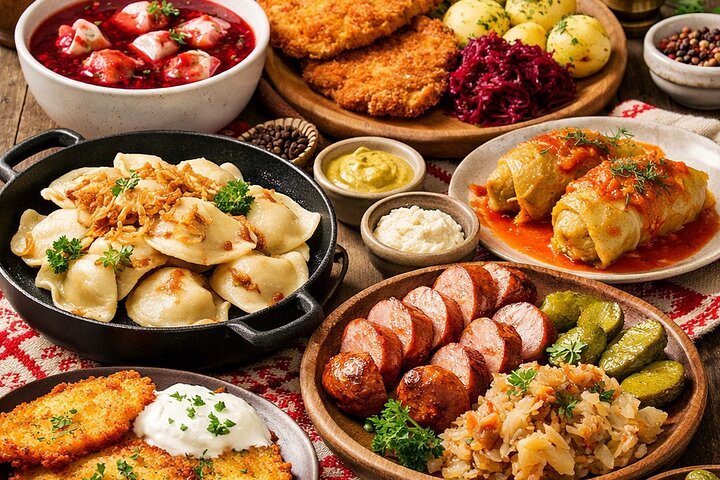
An Introduction to Polish Cuisine
If you’ve ever wondered what makes Polish food so comforting and unforgettable, it’s the way it wraps you in warmth—like a hug...
Read out all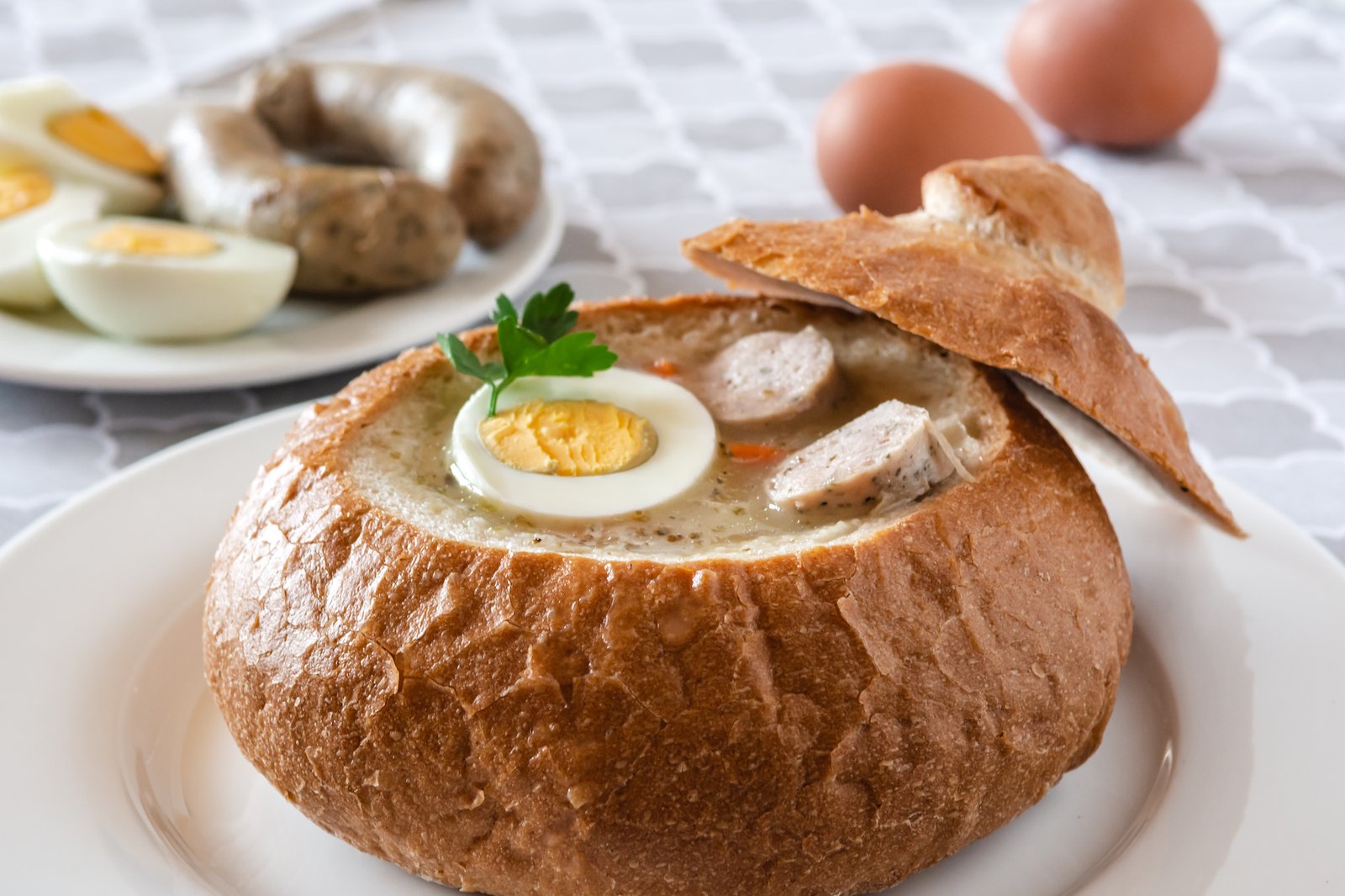
Polish Cuisine 101: Traditional Polish Foods to Try in Poland
The fundamentals of Polish cuisine reveal a hearty, resourceful style shaped by centuries of harsh winters, fertile lands, turbulent history, and clever...
Read out all