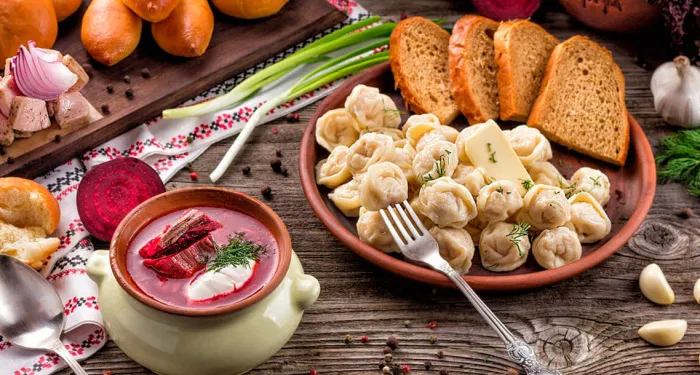
Russian cuisine is one of those hidden gems in the world of food—often misunderstood or reduced to stereotypes like endless potatoes and borscht. But dig a little deeper, and you’ll find a rich, hearty tradition shaped by vast landscapes, brutal winters, Orthodox fasting rules, and waves of cultural influences from Europe, Asia, and beyond. It’s comfort food at its core: warming, filling, and deeply tied to family gatherings, holidays, and survival through harsh seasons.
I’ve always loved how Russian meals feel like a hug from the inside out. Growing up hearing stories from friends who emigrated from Moscow or Siberia, the tales of grandma’s kitchen—smelling of dill, sour cream, and fresh-baked bread—made me curious. When I finally tried authentic pelmeni at a small spot in a snowy city, dipped in vinegar and topped with butter, it clicked: this isn’t just eating; it’s resilience on a plate.
Here are 24 interesting facts about Russian cuisine that capture its depth, quirks, and enduring appeal.
1. Russian Cuisine Is Built for Survival in Extreme Cold
Russian food evolved from peasant roots in a climate where winters last half the year. Dishes are calorie-dense with fats, carbs, and proteins to fuel the body against freezing temperatures. Soups, porridges, and preserved foods dominate because fresh produce was scarce for months.
2. Bread Is Sacred—Literally an “Altar” Without It
Russians have a saying: “A table with bread is an altar; without it, a plank.” Rye bread, especially dark Borodinsky with its coriander and molasses notes, is central. Guests are greeted with bread and salt as a symbol of hospitality and prosperity.
3. Soups Are Non-Negotiable for Almost Every Meal
No proper Russian lunch skips soup. From shchi (cabbage) to ukha (fish), they’re hearty first courses. Borscht, though Ukrainian in origin, became a Russian staple—beet-based, vibrant, and often served with smetana (sour cream).
4. Pelmeni Are the Unofficial National Dish
These Siberian dumplings, filled with minced meat and boiled, are called “the heart of Russian cuisine.” Families make hundreds at once, freeze them, and pull them out for quick meals. Kids love them—simple, juicy, and endlessly customizable.
5. Blini (Pancakes) Have Their Own Week-Long Festival
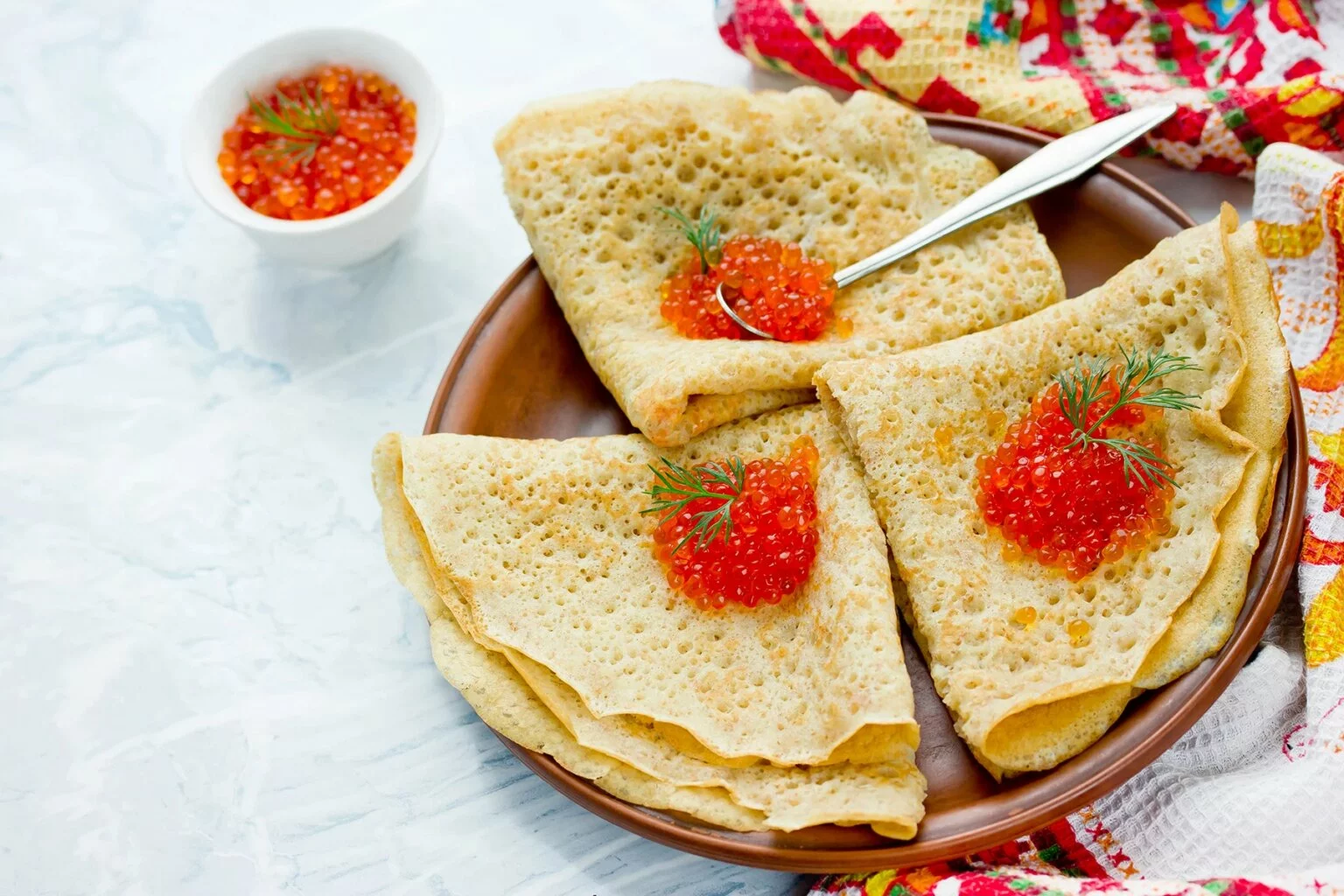
Maslenitsa celebrates the end of winter with blini feasts. Thin, versatile pancakes get topped with caviar, butter, jam, or herring. The tradition ties to pre-Christian spring rites but now involves burning effigies and eating like there’s no tomorrow.
6. Olivier Salad Isn’t Called “Russian Salad” at Home
Invented by Belgian chef Lucien Olivier in 1860s St. Petersburg, it’s Olivier salad in Russia—diced potatoes, carrots, peas, pickles, eggs, and sausage in mayonnaise. Abroad, it’s “Russian salad,” but locals chuckle at the mix-up.
7. Caviar Isn’t Just for the Rich—Red Is Everyday Luxury
Black sturgeon caviar is elite (Beluga can hit insane prices), but red salmon caviar is common on buttered bread. It’s a breakfast staple or holiday treat—affordable decadence rooted in Russia’s rivers and seas.
8. Many “Russian” Dishes Have Foreign Roots
French chefs under Catherine the Great introduced techniques, leading to beef stroganoff (named for the Stroganov family). Pelmeni trace to Asian influences via Siberia, and borscht has Ukrainian ties. Russian cuisine is a melting pot.
9. Pickling and Fermenting Are Survival Arts
Cucumbers, cabbage, mushrooms, and apples get pickled for winter. Fermented foods like kvass (from rye bread) add probiotics and tang. This preserved bounty explains the love for sour flavors.
10. Buckwheat (Grechka) Is a National Superfood
Buckwheat porridge is cheap, nutritious, and everywhere—often with milk, butter, or mushrooms. It’s gluten-free, high in protein, and a staple since ancient times.
11. Vodka Pairs Perfectly with Zakuski (Appetizers)
Meals start with zakuski—pickles, herring, salo (cured fat), and cold cuts. Vodka cleanses the palate between toasts. It’s social ritual, not just drinking.
12. Orthodox Fasts Created a Vegetarian Powerhouse
Nearly half the year involves fasting—no meat or dairy. This birthed mushroom dishes, vegetable soups, and grain-based meals. Russia has more vegetarian options than many expect.
13. Pirozhki Are Portable Pies of Joy
Small baked or fried pies filled with meat, cabbage, or apple. Street food ancestors, they’re comfort in hand—perfect for train journeys across the endless steppe.
14. Syrniki: Cheese Pancakes for Breakfast Bliss
Made from tvorog (farmer’s cheese), these sweet or savory patties fry up golden. Topped with sour cream and jam, they’re a cozy morning ritual.
15. Borscht Variations Tell Regional Stories
Beet soup changes by area—clear in the north, thick with meat in the south. Some add beans; others pork ribs. It’s a canvas for local pride.
16. Honey and Berries Sweeten the Seasons
Honey (med) flavors pryaniki (gingerbread-like cookies) and medovukha (mead). Berries like lingonberries and cloudberries preserve summer’s taste through winter.
17. Shchi Has Been Around Since the 9th Century
Cabbage soup, often with sauerkraut, is ancient. “Shchi da kasha—pishcha nasha” (cabbage soup and porridge are our food) sums up humble roots.
18. Beef Stroganoff Went Global from Russia
Sautéed beef in sour cream sauce, possibly with mustard. Popularized in the 19th century, it’s now a worldwide classic with Russian origins.
19. Kvass Is the People’s Drink
Fermented rye bread beverage—mildly sweet, fizzy, and refreshing. Street vendors sell it in summer; it’s healthier than soda and quintessentially Russian.
20. Herring Under a Fur Coat Is a New Year’s Star
Layered salad of herring, potatoes, beets, carrots, eggs, and mayo—”under a fur coat” for the beet top. Festive, colorful, and oddly addictive.
21. Turnips Ruled Before Potatoes Arrived
Potatoes came late (Peter the Great’s era); turnips were king. Early adopters even wore potato flowers as hair decor—talk about fashion!
22. Stroganina: Raw Frozen Fish Slices
Siberian specialty: thin-sliced frozen fish (like muksun) eaten raw with salt and pepper. Adventurous, fresh, and tied to Arctic traditions.
23. Tea with Lemon and Jam Is a Daily Ritual
Black tea, often with lemon slice and spoon of varenye (jam). Samovars once heated water; now it’s about warmth and conversation.
24. Hospitality Means Overfeeding Guests
Russian tables groan with food. Refusing seconds can offend—it’s love through abundance. “Eat, eat!” isn’t just words; it’s cultural.
These facts barely scratch the surface of Russian cuisine’s layers—from peasant ingenuity to imperial flair. It’s food that tells stories of endurance, borrowing, and joy in simple things.
People Also Ask (Common Google Questions)
What is traditional Russian food?
Hearty soups like borscht and shchi, dumplings (pelmeni), pancakes (blini), rye bread, and dairy-heavy dishes like syrniki or tvorog.
Is Russian food spicy?
No—it’s mild, relying on sour cream, dill, pickles, and fermentation for flavor rather than heat.
What do Russians eat for breakfast?
Kasha (porridge like buckwheat), blini, syrniki, tvorog with honey, or bread with butter and cheese.
Why is Russian food so heavy?
Adapted to cold climates needing high calories; fats from sour cream, butter, and meats sustain energy.
Is borscht Russian or Ukrainian?
Origins in Ukraine, but deeply adopted in Russia with regional twists—both claim it proudly.
FAQ
What are the must-try dishes for first-timers?
Start with borscht, pelmeni, blini with caviar or sour cream, Olivier salad, and beef stroganoff. Pair with black tea or kvass.
How has Soviet history influenced modern Russian food?
It popularized communal canteens with simple dishes, spread ethnic recipes from republics (like Georgian khachapuri), and emphasized preservation during shortages.
Are there vegetarian options in Russian cuisine?
Plenty—thanks to Orthodox fasts: mushroom soups, vegetable pirozhki, buckwheat with veggies, and pickled everything.
What’s the role of dairy in Russian meals?
Huge—smetana tops almost everything, tvorog in desserts and breakfasts, and butter on bread. It’s creamy comfort.
Where can I experience authentic Russian cuisine today?
Home kitchens are best, but look for stolovayas (cafeterias), markets, or restaurants specializing in regional dishes. In cities like Moscow or St. Petersburg, modern spots revive imperial recipes.
Russian cuisine rewards the curious eater. It’s not flashy, but it’s honest, warming, and full of heart. Next time someone says Russian food is bland, hand them a blin with red caviar and watch their mind change.
Author

sheikhali002001@gmail.com
Related Posts
An overview of Russian food and cuisine
Russian cuisine is hearty, comforting, and deeply rooted in the country’s vast landscapes and harsh winters. Think warming soups that simmer for...
Read out all
When Russian Cuisine Turns Georgian
The 5 Most Popular Russian Foods & Cuisines reveal a hearty, comforting world shaped by long winters, vast landscapes, and a mix...
Read out all