Traditional Norwegian cuisine is hearty, straightforward, and deeply tied to the country’s rugged landscape, long winters, and abundant natural resources. Expect fresh seafood from crystal-clear fjords, game meats from vast forests and mountains, preserved foods born from necessity, and simple preparations that highlight quality ingredients rather than heavy spices. Potatoes appear in nearly every meal, dairy shines in cheeses and porridges, and flavors lean toward subtle, earthy notes with occasional sweetness from berries or caramelized elements. It’s comforting food that warms you from the inside—practical, nourishing, and unpretentious.
The Roots of Norwegian Food: History and Influences
Norway’s cuisine evolved from Viking-era reliance on fishing, hunting, and limited farming in a harsh climate. Preservation techniques like salting, drying, smoking, and fermenting were essential for surviving long winters, shaping many iconic dishes still enjoyed today.
Regional differences stand out sharply due to geography. Coastal areas emphasize seafood, while inland and northern spots feature more game and lamb. Modern influences from global travel have introduced pasta or tacos to everyday eating, but traditional fare remains a source of national pride.
Key Ingredients in Traditional Norwegian Cooking
Norwegian cooking starts with what’s available and seasonal. Seafood dominates thanks to the world’s second-longest coastline—think Atlantic cod (especially skrei, the migrating Arctic cod prized for its firm texture), salmon (both wild and farmed), herring, and king crab from the north.
Meats include lamb or mutton (tender from free-grazing sheep), reindeer (lean and gamey in the north), pork, and occasional moose or elk. Potatoes are a staple side, often boiled or mashed, while root vegetables like rutabaga add earthiness.
Dairy is huge—sour cream, milk, and unique cheeses like brunost (brown cheese, made from whey, with a caramel-like sweetness). Berries (lingonberries, cloudberries) brighten dishes, and flatbreads or crispbreads accompany everything.
Iconic Main Dishes: What You’ll See on the Plate
Fårikål – Often called Norway’s national dish, this simple stew combines lamb or mutton with cabbage, whole peppercorns, and sometimes flour for thickening. Served with boiled potatoes, it’s pure comfort in a bowl.
I remember my first bowl in a small Oslo café on a chilly autumn day—the lamb fell apart tender, the cabbage softened just right, and those peppercorns gave a gentle kick. It felt like the essence of Norwegian home cooking: no frills, just honest flavors.
Lutefisk – Dried cod rehydrated in lye water, then cooked. It has a jelly-like texture and mild flavor, traditionally served with bacon, peas, and potatoes during Christmas.
Pinnekjøtt – Salted, dried, and steamed lamb ribs, popular in western Norway, especially at holidays. Paired with mashed rutabaga and potatoes, it’s rich and salty.
Raspeball/Komle – Potato dumplings (names vary by region) often stuffed with bacon or meat, boiled, and served with melted butter or syrup. A western favorite on Thursdays.
Kjøttkaker – Meatballs made from beef, pork, or game, served in brown gravy with peas, lingonberries, and potatoes. Classic home-style fare.
Reindeer Stew – In the north, tender reindeer meat slow-cooked with onions, carrots, and sometimes juniper. Gamey yet mild, it’s a highlight in Tromsø or Finnmark.
Seafood Specialties: From Fjord to Table
Norway’s seafood is world-class—fresh, sustainable, and often simply prepared.
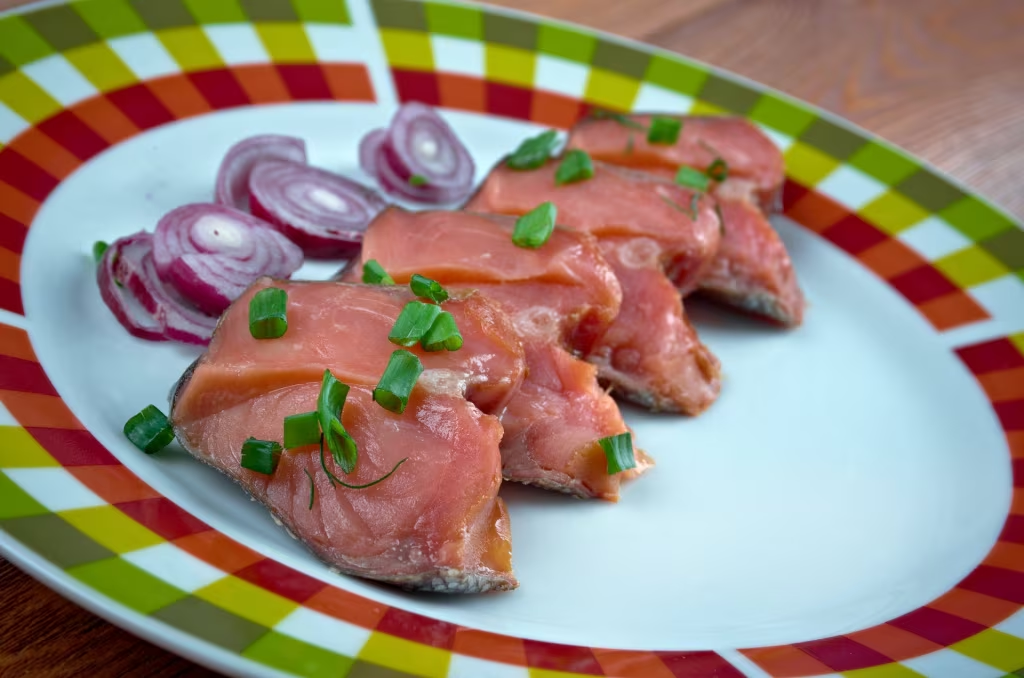
Smoked Salmon (Røkt Laks) – Silky and flavorful, eaten on bread or in salads.
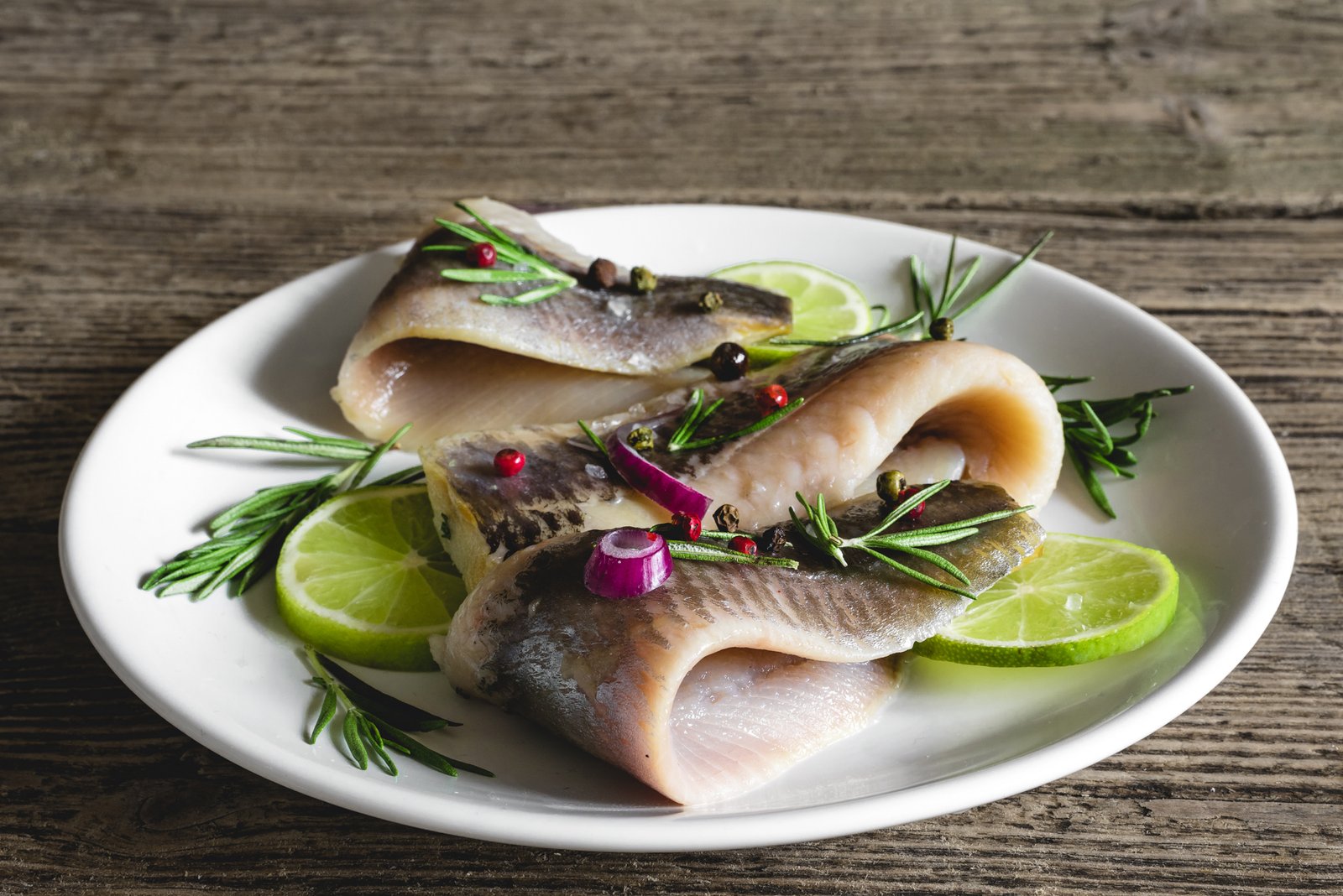
Pickled Herring – Marinated in vinegar, onions, and spices; a breakfast or smørbrød staple.
Stockfish (Tørrfisk) – Air-dried cod, a historic export, rehydrated for soups or stews.
King Crab – Massive legs from northern waters, boiled and dipped in butter.
Skrei – Seasonal cod in winter, celebrated with festivals for its flaky perfection.
Unique and Adventurous Foods
Some dishes push boundaries but reward the brave.
Rakfisk – Fermented trout from inland lakes, strong-smelling but nutty-tasting, often with flatbread and sour cream. Annual festivals celebrate it.
Smalahove – Sheep’s head, singed, boiled, and eaten (eyes and tongue included). A western tradition, more common in Voss or Sogn.
Brunost – Brown cheese isn’t cheese in the usual sense—it’s whey boiled to caramelization. Sweet-salty, great on waffles or bread.
Sweets, Breads, and Snacks
Norwegians love baked goods. Vafler (waffles) are thin, cardamom-spiced, served with jam, sour cream, or brunost.
Lefse – Soft potato flatbread, rolled with butter and sugar.
Krumkake or Rosettes – Crispy waffle cookies for holidays.
Skolebrød – Cardamom buns filled with custard, iced, and coconut-dusted.
Street food like pølse i lompe (hot dog in potato flatbread) is a quick, satisfying bite.
Regional Variations Across Norway
Norway’s food changes with the terrain.
- Eastern Norway (Oslo area): Pork-heavy Christmas dishes like ribbe (crispy pork belly), meatballs, and hearty stews.
- Western Fjords (Bergen, Stavanger): Lamb-focused, pinnekjøtt, komle dumplings, fresh seafood.
- Northern Norway (Tromsø, Lofoten): Reindeer, king crab, stockfish, Sami influences like fermented foods.
- Trøndelag: Strong potato traditions, raspeball variations.
These differences make traveling a culinary adventure—try the same dish in different spots and notice the tweaks.
Where to Try Traditional Norwegian Food
In Oslo, head to historic spots like Gamle Raadhus Restaurant for classic dishes or Mathallen food hall for variety. Engebret Café offers old-school vibes with lutefisk or reindeer.
Bergen shines with Bryggeloftet & Stuene for seafood and pinnekjøtt, or the fish market for fresh catches.
Tromsø boasts Mathallen or Emma’s Drømmekjøkken for northern specialties like reindeer and king crab.
Look for traditional restaurants or seasonal menus—many places highlight local ingredients.
Norwegian Dining Customs and Etiquette
Meals are social and relaxed. Breakfast (frokost) is open-faced sandwiches (smørbrød), lunch (lunsj) often packed, dinner (middag) the main event around 4-6 PM, with a light evening snack (kveldsmat).
Use knife and fork for everything—even pizza sometimes! Place them crossed on the plate when finished. Toasting is “skål” with eye contact.
Tipping isn’t expected—service is included. Be punctual if invited home; bring a small gift like flowers or chocolate.
People Also Ask
What is the national dish of Norway?
Fårikål, a simple lamb and cabbage stew with peppercorns, often voted as the national dish for its comforting, traditional appeal.
Is Norwegian food spicy?
No—seasoning is mild, relying on salt, pepper, herbs, and natural flavors rather than heat.
What do Norwegians eat for Christmas?
Regional favorites: ribbe (pork belly) in the east, pinnekjøtt (lamb ribs) in the west, lutefisk in many homes, plus sausages, ribs, and desserts like riskrem (rice pudding).
Do Norwegians eat a lot of fish?
Yes, seafood is central, especially cod, salmon, and herring, fresh or preserved.
What is brunost and how do you eat it?
Brown cheese, sweet and caramel-like from boiled whey. Slice thinly on bread, waffles, or crispbread.
FAQ
What should first-time visitors try in Norwegian cuisine?
Start with fårikål or kjøttkaker for hearty mains, brunost on waffles for something unique, and fresh salmon or herring for seafood. Don’t miss vafler with coffee.
Is traditional Norwegian food healthy?
Mostly yes—lots of lean proteins, omega-3-rich fish, root vegetables, and berries. Portions are generous, though preserved items can be salty.
How expensive is eating traditional food in Norway?
It varies—casual spots or home-style eateries are reasonable, while seafood or reindeer can be pricier due to quality and sourcing.
Are there vegetarian options in traditional Norwegian cuisine?
Limited historically, but modern spots offer potato-based dishes, vegetable stews, or cheese-focused meals. Berries and dairy help.
What’s the best time of year for seasonal Norwegian foods?
Winter for skrei cod and preserved meats; summer for fresh berries, seafood, and lighter fare; autumn for game like reindeer.
Norwegian cuisine isn’t flashy—it’s about respecting ingredients, seasons, and simplicity. Whether you’re slurping a bowl of fårikål on a rainy day or cracking into king crab legs under the midnight sun, it connects you to the land and people. Next time you’re in Norway, slow down, savor the flavors, and maybe ask a local for their family’s twist on a classic. You’ll leave fuller in more ways than one.
Author

sheikhali002001@gmail.com
Related Posts
Experience Authentic Traditional Norwegian Food
Norway’s traditional cuisine is a heartfelt reflection of its rugged landscape, long winters, and deep connection to nature. Growing up hearing stories...
Read out all
Traditional Norwegian Food & Drink Guide
Norway’s traditional food and drink scene is like stepping into a cozy cabin during a long winter—simple, hearty, and deeply tied to...
Read out all