
The 5 Most Popular Russian Foods & Cuisines reveal a hearty, comforting world shaped by long winters, vast landscapes, and a mix of influences from Europe, Asia, and neighboring Slavic cultures. Russian cuisine isn’t flashy or overly spiced—it’s about warmth, simplicity, and making the most of seasonal ingredients like root vegetables, grains, dairy, and preserved foods. Think soul-satisfying soups that chase away the cold, dumplings stuffed with love (and meat), and pancakes that turn any meal into a celebration.
I’ve eaten my way through Moscow markets and family kitchens in smaller towns, and what strikes me most is how these dishes feel like home. My first real borscht wasn’t in a fancy restaurant; it was at a friend’s dacha outside St. Petersburg, ladled from a pot that had simmered all afternoon while we chopped wood. That memory still makes my mouth water. Let’s dive into the top five most beloved ones—based on what Russians actually eat daily, what travelers rave about, and what shows up consistently in homes and eateries across the country.
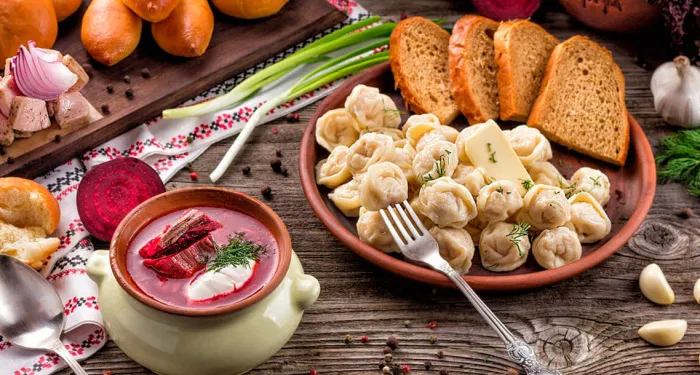
1. Borscht – The Iconic Beet Soup That Warms the Soul
Borscht is hands-down the dish most people associate with Russian food, and for good reason—it’s vibrant, nutritious, and endlessly adaptable.
This beet-based soup, often with cabbage, potatoes, carrots, and beef or pork, gets its signature ruby color from beets and a tangy edge from vinegar or tomatoes. Served hot in winter or cold in summer (especially the vegetarian version), it’s almost always topped with a generous dollop of smetana (sour cream) and fresh dill. Some families add beans or mushrooms for extra heartiness.
What makes borscht special is its regional twists—Ukrainian versions might be richer, while Siberian ones lean on game meat. But in Russia, it’s a staple that appears on every holiday table and weekday lunch. I once tried a version in a tiny village café that included smoked ribs; the smokiness cut through the earthiness perfectly. It’s not just food—it’s comfort in a bowl.
Pros and Cons of Borscht
- Pros: Packed with vitamins from beets and veggies; filling yet light; great for meal prep as it tastes better the next day.
- Cons: The beet staining can be messy; some find the earthy flavor too strong if they’re new to it.
2. Pelmeni – Russia’s Beloved Dumplings
If there’s a national dish of Russia, pelmeni might just claim the crown—simple, versatile, and loved by everyone from kids to grandparents.
These small boiled dumplings are filled with minced meat (usually pork, beef, or a mix), onion, and spices, wrapped in thin unleavened dough. They’re quick to make in batches (families often gather to fold hundreds at once), then frozen for busy days. Serve them boiled, topped with butter, sour cream, vinegar, or mustard, and a sprinkle of black pepper.
Pelmeni originated in Siberia as a portable food for hunters, and today they’re a go-to comfort meal. I remember helping a Russian family make them one New Year’s Eve—we laughed as dough stuck to everything, but the end result was perfection. Unlike Italian ravioli, pelmeni are smaller and more minimalist, letting the filling shine.
Pelmeni vs. Other Dumplings Comparison
- Pelmeni: Thin dough, meat-focused, boiled.
- Vareniki (Ukrainian/Russian cousin): Thicker dough, often sweet or veggie fillings.
- Chinese Jiaozi: Pan-fried or steamed, more varied seasonings.
3. Blini – Thin Pancakes for Every Occasion
Blini are the ultimate crowd-pleaser—light, lacy pancakes that appear at breakfast, holidays, and fancy dinners alike.
Made from buckwheat or wheat flour with yeast for fluffiness, blini are thinner than American pancakes but thicker than French crêpes. They’re fried in butter until golden and served with everything: caviar and sour cream for luxury, jam for sweet, smoked salmon, mushrooms, or just butter and honey.
During Maslenitsa (Pancake Week before Lent), Russians eat blini by the stack to celebrate and use up dairy before fasting. I’ve burned a few batches trying to flip them perfectly, but even imperfect ones taste amazing. They’re forgiving and endlessly customizable.
Popular Blini Toppings Table
| Topping | Type | Best For |
|---|---|---|
| Caviar + smetana | Savory | Special occasions |
| Cottage cheese + honey | Sweet | Breakfast or dessert |
| Smoked fish | Savory | Brunch |
| Jam or berries | Sweet | Everyday treat |
| Butter only | Simple | Classic comfort |
4. Beef Stroganoff – Creamy Comfort on a Plate
Beef Stroganoff might sound French, but it’s quintessentially Russian—named after a 19th-century noble family.
Tender strips of beef sautéed with onions and mushrooms, then simmered in a rich sour cream sauce. Traditionally served over buckwheat kasha or egg noodles (the Western version often uses rice). The key is quick cooking so the beef stays juicy and the sauce doesn’t curdle.
It’s one of the most exported Russian dishes, appearing on menus worldwide, yet nothing beats homemade. I had an unforgettable version in a cozy Moscow bistro, paired with dark rye bread—the tang of the cream balanced the richness perfectly. It’s hearty without being heavy.
Pros and Cons of Beef Stroganoff
- Pros: Quick to prepare; elegant yet approachable; great with various sides.
- Cons: Can be rich; quality beef matters for tenderness.
5. Olivier Salad – The Festive “Russian Salad”
No holiday table in Russia is complete without Olivier salad—often called “Russian salad” abroad.
This mayo-bound mix includes boiled potatoes, carrots, peas, pickles, eggs, and bologna or chicken, diced finely for a creamy, cohesive texture. Invented in the 1860s by a Belgian chef in Moscow, it’s evolved into a beloved staple.
It’s everywhere during New Year’s celebrations (the biggest holiday), and every family has their tweaks—some add apples for crunch, others use fresh herbs. I confess to sneaking extra pickles when no one’s looking; that tangy bite cuts through the mayo richness.
Why Olivier Salad Stays Popular
- Easy to make ahead.
- Uses pantry staples.
- Nostalgic and crowd-pleasing.
A Deeper Look at Russian Cuisine Overall
Russian food draws from peasant roots: hearty grains like buckwheat (kasha), root veggies, fermented foods for preservation, and dairy. Influences from Tatar, Siberian, and European cuisines add variety—think shashlik (skewered meat) from the south or fish dishes from the north.
Meals often center on soup + main, with tea from a samovar as the constant. Vegetarian options shine during fasts: mushroom dishes, pickled veggies, and grain porridges.
People Also Ask (PAA)
What is traditional Russian food like?
It’s hearty, seasonal, and comforting—focused on soups, dumplings, grains, and dairy to combat cold weather. Less spice, more sour and earthy flavors.
Is Russian food spicy?
Not typically. Heat comes from mustard or horseradish, but most dishes rely on natural tastes with dill, sour cream, and vinegar for brightness.
What do Russians eat for breakfast?
Often kasha (porridge), syrniki (cheese pancakes), blini, or tvorog (cottage cheese) with honey or jam—quick and nourishing.
Is borscht Russian or Ukrainian?
Both claim it. Originated in Ukraine but fully embraced in Russia with local variations.
What is a typical Russian dinner?
Soup as first course, meat or fish with potatoes/grains as main, salad or pickles on the side, and tea to finish.
FAQ
What are the must-try Russian foods for beginners?
Start with borscht, pelmeni, and blini—they’re approachable and showcase core flavors.
Is Russian cuisine healthy?
It can be—lots of veggies, fermented foods, and whole grains—but generous sour cream and mayo add calories.
Where can I find authentic Russian food outside Russia?
Russian delis, Eastern European markets, or restaurants in big cities. Home cooking is best for authenticity.
Do Russians eat a lot of caviar?
It’s a delicacy, not daily fare—more for celebrations, though red and black varieties are iconic.
What’s the role of sour cream in Russian cooking?
It’s everywhere—as a topping, in sauces, or dolloped on soups—adding creaminess and tang.
Russian cuisine surprises with its depth and warmth. These five dishes barely scratch the surface, but they’re a perfect entry point. Next time you’re craving something comforting, try making pelmeni from scratch or simmering a pot of borscht—the kitchen will smell like a hug from across the miles.
Author

sheikhali002001@gmail.com
Related Posts
24 Interesting Facts About Russian Cuisine
Russian cuisine is one of those hidden gems in the world of food—often misunderstood or reduced to stereotypes like endless potatoes and...
Read out all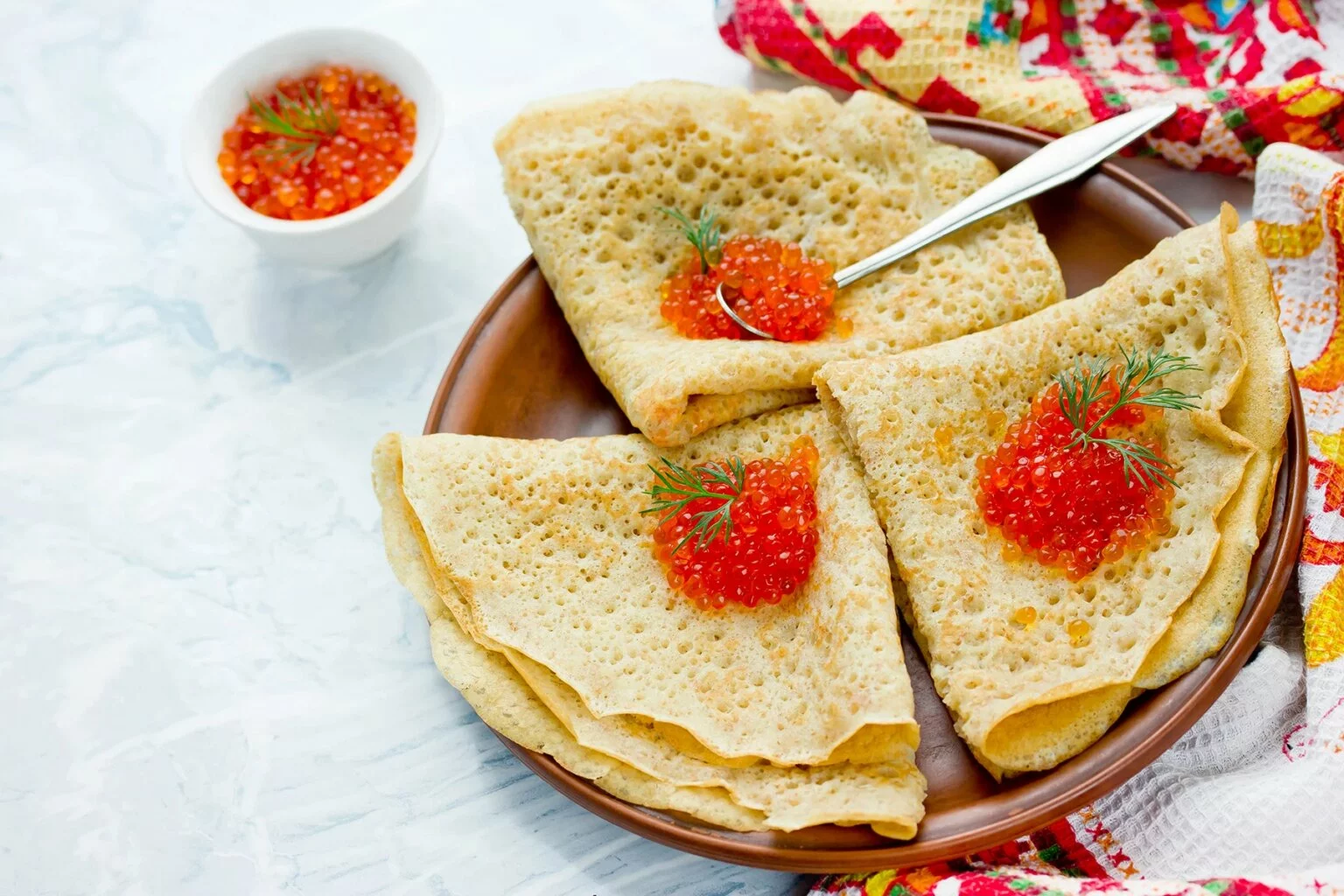
An overview of Russian food and cuisine
Russian cuisine is hearty, comforting, and deeply rooted in the country’s vast landscapes and harsh winters. Think warming soups that simmer for...
Read out all