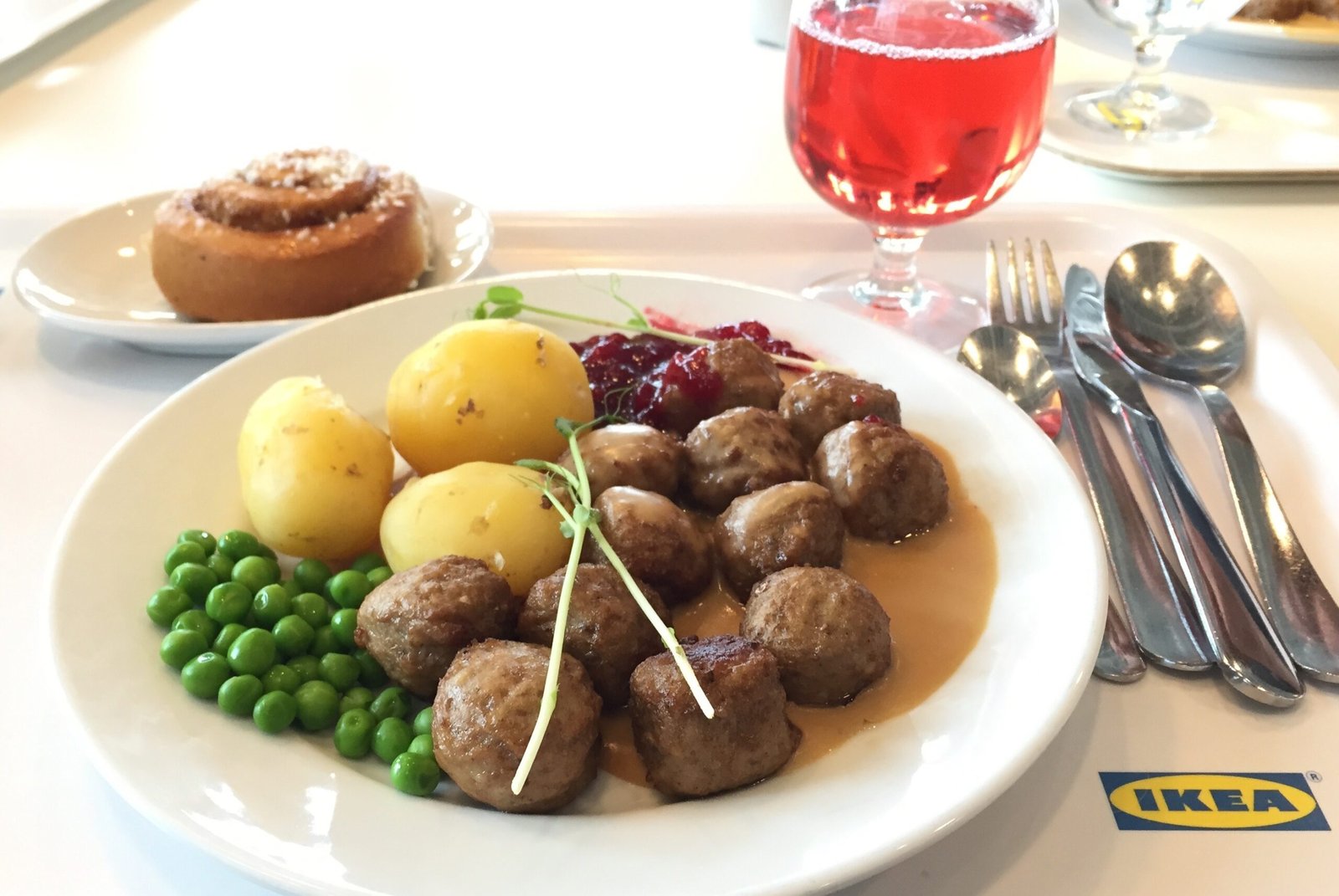
Swedish cuisine often gets reduced to one famous export: meatballs from IKEA. But if you’ve ever sat in a cozy Stockholm café on a crisp afternoon, biting into a warm cinnamon bun while snow falls outside, you know there’s so much more depth here. Swedish food draws from the land’s forests, lakes, and coasts—simple, seasonal ingredients turned into comforting, flavorful dishes. The title “From waffles to Wallenbergers” captures that range perfectly: from light, crispy treats to rich, luxurious mains.
I’ve had the chance to explore this firsthand during trips to Sweden, wandering markets in Gothenburg and sharing family-style meals in the countryside. There’s something honest about it—no flashy presentation, just good food that warms you from the inside. Let’s dive into the standout dishes that define Swedish eating, blending tradition with everyday joy.
The Sweet Side: Waffles (Våfflor) as a Cultural Staple
Swedish waffles aren’t the thick Belgian kind; they’re thin, crisp, often heart-shaped, and impossibly light. They’re tied to Våffeldagen (Waffle Day) on March 25th, a quirky tradition stemming from a mix-up with Annunciation Day.
The batter uses plenty of eggs and cream for that signature crunch, served with whipped cream, jam (lingonberry or cloudberry), or just powdered sugar. I remember my first real Swedish waffle at a lakeside café—crispy edges giving way to a soft center, paired with tart berries. It’s simple perfection.
Pros and Cons of Swedish Waffles vs. Other Styles
- Pros: Lighter and less filling; perfect for fika (coffee break); versatile toppings.
- Cons: Not as sturdy for heavy syrups; can cool quickly if not eaten right away.
Many Swedes make them at home with electric heart-shaped irons—easy to recreate if you want a taste of hygge.
Meatballs (Köttbullar): The Global Icon with Local Roots
No Swedish food list skips meatballs. These small, spiced spheres of beef and pork (sometimes veal) come with creamy gravy, mashed potatoes, lingonberry jam, and pickled cucumber. The jam’s tartness cuts the richness beautifully.
IKEA popularized them worldwide, but authentic versions use better meat and subtle spices like allspice. During a Midsummer celebration I attended, we had them cold as part of a smörgåsbord—surprisingly refreshing.
They’re comfort food at its best: hearty yet balanced.
Wallenbergare: The Luxe Meatball Upgrade
If regular meatballs are everyday, Wallenbergare is special-occasion. Named after banker Marcus Wallenberg (or his son, depending on the story), it’s a minced veal patty blended with cream and egg yolks, breaded lightly, and pan-fried. Served with peas, mashed potatoes, and lingonberries.
The texture is incredibly tender—almost custard-like inside, crispy outside. I tried the original-style at Prinsen in Stockholm; it’s decadent without being heavy. Created in the 1930s as a fancy veal craving fix, it shows Swedish cuisine’s elegant side.
Pickled Herring (Inlagd Sill): The Smörgåsbord Star
Pickled herring anchors every holiday table—Easter, Midsummer, Christmas. Varieties include mustard, onion-dill, or tomato sauce. It’s tangy, slightly sweet, and pairs with boiled potatoes, sour cream, and crispbread.
First time I had it, the flavor punched me—briny but balanced. Swedes eat it year-round, but it’s non-negotiable for celebrations. Often served as part of a smörgåsbord, the buffet that lets you mix and match.
Gravlax: Cured Salmon Perfection
Gravlax means “buried salmon”—traditionally cured in salt, sugar, and dill, sometimes buried for fermentation (modern versions skip that). Thin slices are silky, with a subtle sweetness and herbal note.
It’s a staple appetizer or on rye bread with mustard sauce. During a visit to the west coast, I had it fresh from a smokehouse—mind-blowing how the dill enhances the fish without overpowering it.
Toast Skagen: Shrimp Heaven on Bread
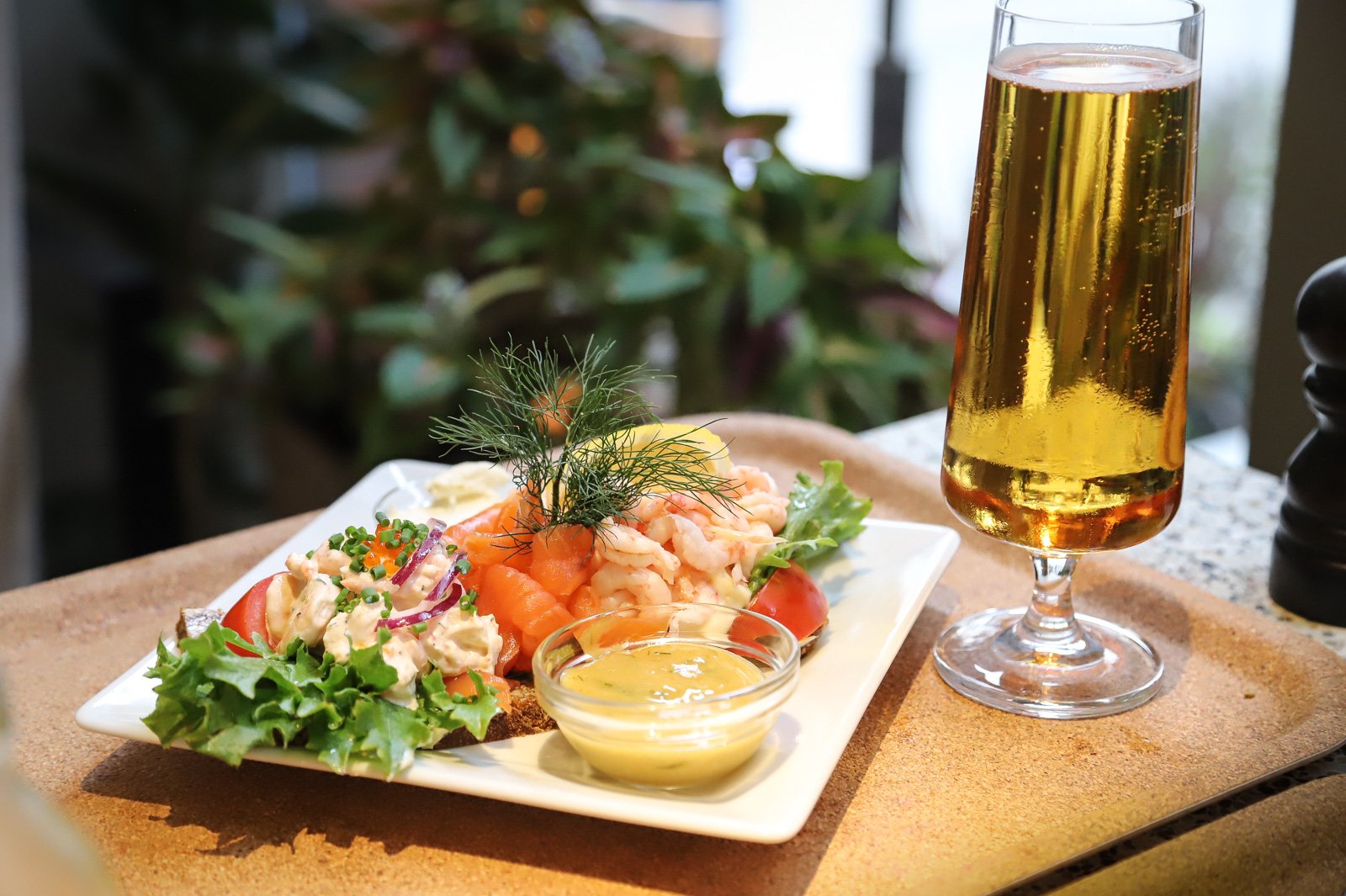
This open-faced sandwich features tiny shrimp in mayo-Dijon mix, topped with roe and dill on toasted bread. Named after a Danish fishing port but fully embraced in Sweden.
It’s elegant yet casual—perfect for lunch. The creamy, briny combo is addictive; I could eat it daily.
Cinnamon Buns (Kanelbullar): Fika Essential
Kanelbullar are soft, cardamom-spiced buns swirled with cinnamon butter and pearl sugar. October 4th is Kanelbullens Dag.
They’re not overly sweet—more aromatic. Fresh from a bakery, they’re irresistible. Fika, the coffee-and-something-sweet ritual, revolves around them.
Other Standouts Worth Mentioning
Swedish food shines in variety. Here’s a quick comparison table of some classics:
| Dish | Type | Key Ingredients | Best Served With | Tradition/Notes |
|---|---|---|---|---|
| Ärtsoppa | Soup | Yellow peas, pork, spices | Pancakes (on Thursdays) | Thursday staple since Middle Ages |
| Raggmunk | Pancake | Grated potatoes, flour, bacon | Lingonberry jam | Winter comfort food |
| Jansson’s Temptation | Casserole | Potatoes, onions, sprats, cream | Holiday tables | Creamy, addictive |
| Prinsesstårta | Cake | Sponge, vanilla cream, marzipan | Fika or celebrations | Green dome iconic |
| Pytt i Panna | Hash | Diced potatoes, meat, onions | Fried egg on top | Great for leftovers |
These show the practical side—using what’s available, often with potatoes as the base.
Lingonberries: The Unsung Hero
Lingonberries appear everywhere—jam with meatballs, pancakes, or porridge. Tart like cranberries but brighter. Swedes forage them; it’s like ketchup here.
Without lingonberries, many dishes feel incomplete.
People Also Ask
What is traditional Swedish food?
Traditional Swedish food, or husmanskost, features hearty, homey meals like pea soup, meatballs, pickled herring, and potato-based dishes, often with lingonberries for balance.
What is Sweden’s national dish?
Meatballs (köttbullar) come closest, though no official national dish exists. Pickled herring and gravlax are equally iconic.
What do Swedes eat for breakfast?
Often open sandwiches (smörgås) with cheese, ham, or filmjölk (fermented milk) with cereal. Coffee is mandatory.
Is Swedish food healthy?
Generally yes—high in whole grains, fish (omega-3s), berries, and dairy. Modern takes emphasize local, seasonal ingredients.
Where to try authentic Swedish food in Sweden?
Stockholm spots like Pelikan or Oaxen Krog for upscale; traditional spots in Gamla Stan; or homey places in smaller towns.
FAQ
What’s the difference between Swedish meatballs and Italian ones?
Swedish are smaller, spiced mildly (allspice, sometimes nutmeg), served in gravy with lingonberries and mash. Italian use more herbs, tomato sauce, pasta.
Do Swedes really eat pancakes on Thursdays?
Yes—ärtsoppa (pea soup) and pannkakor (thin pancakes) is a Thursday tradition from old Catholic fasting days.
Is gravlax raw?
It’s cured, not cooked, but safe due to salt/sugar. Similar to ceviche.
What makes Swedish waffles special?
The heart shape, thin crispiness from cream/eggs, and light toppings—less heavy than American versions.
Can I make Wallenbergare at home?
Absolutely—grind veal, mix with cream/egg yolks, bread, fry gently. Serve classically with peas and potatoes.
Swedish food rewards patience and simplicity. It’s about quality ingredients, seasonal rhythms, and sharing around the table. Next time you’re craving something comforting, skip the takeout—try a batch of meatballs with lingonberries or crisp waffles. It’ll transport you straight to a Swedish kitchen, where the best meals feel like home.
Author

sheikhali002001@gmail.com
Related Posts
Swedish Food: 20 Must-Try Dishes in Stockholm
Swedish cuisine is one of those hidden gems that surprises you the more you dig in. It’s not flashy or overly complicated—it’s...
Read out all
The 7 Traditional Swedish Foods You Have to Try When Visiting Sweden
Imagine stepping off a plane in Stockholm, the crisp air hitting your face, and your first thought isn’t about sightseeing—it’s about food....
Read out all