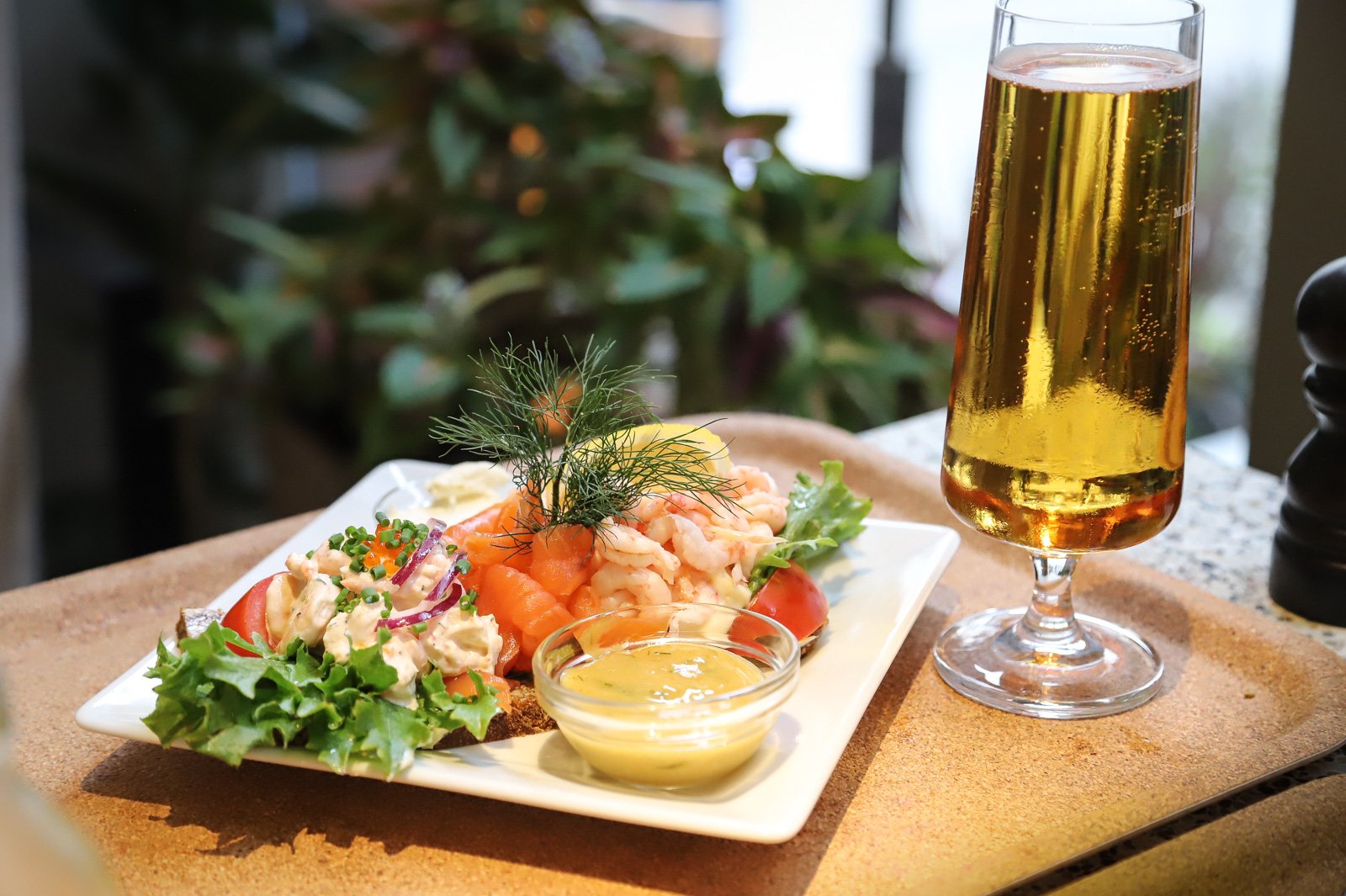
Swedish cuisine is one of those hidden gems that surprises you the more you dig in. It’s not flashy or overly complicated—it’s honest food shaped by long winters, abundant forests, lakes, and the Baltic Sea. Think simple ingredients coaxed into something comforting and flavorful, often with a balance of sweet, tart, salty, and creamy notes. Growing up, I had a Swedish friend who insisted meatballs were “just okay” compared to the real stars like pickled herring or a proper cinnamon bun during fika. After traveling through Stockholm and the countryside, I get it now. Swedish food feels like a warm hug from nature itself.
This guide dives deep into the top traditional dishes you should try, why they matter culturally, and how to enjoy them like a local. We’ll cover everything from everyday husmanskost (home-style cooking) to festive treats, with tips on where to find the best versions.
The Roots of Swedish Cuisine
Swedish food has always been about making the most of what the land and sea provide, especially during those dark, cold months. Preservation techniques like salting, smoking, pickling, and fermenting date back to Viking times and were essential for survival. Influences from France in the 17th-18th centuries added creamy sauces, while modern New Nordic cuisine emphasizes foraging and seasonality. Today, it’s a mix of tradition and innovation, but the heart remains in local produce: berries, root veggies, dairy, fish, and game.
Lingonberries deserve a special shout-out—they’re the unofficial national condiment, tart and bright, pairing with almost anything savory. Crispbread (knäckebröd) has been baked for over 500 years, originally as durable “poor man’s food” that lasts forever.
Iconic Main Dishes
These are the hearty, everyday plates that define Swedish comfort food.
Swedish Meatballs (Köttbullar)
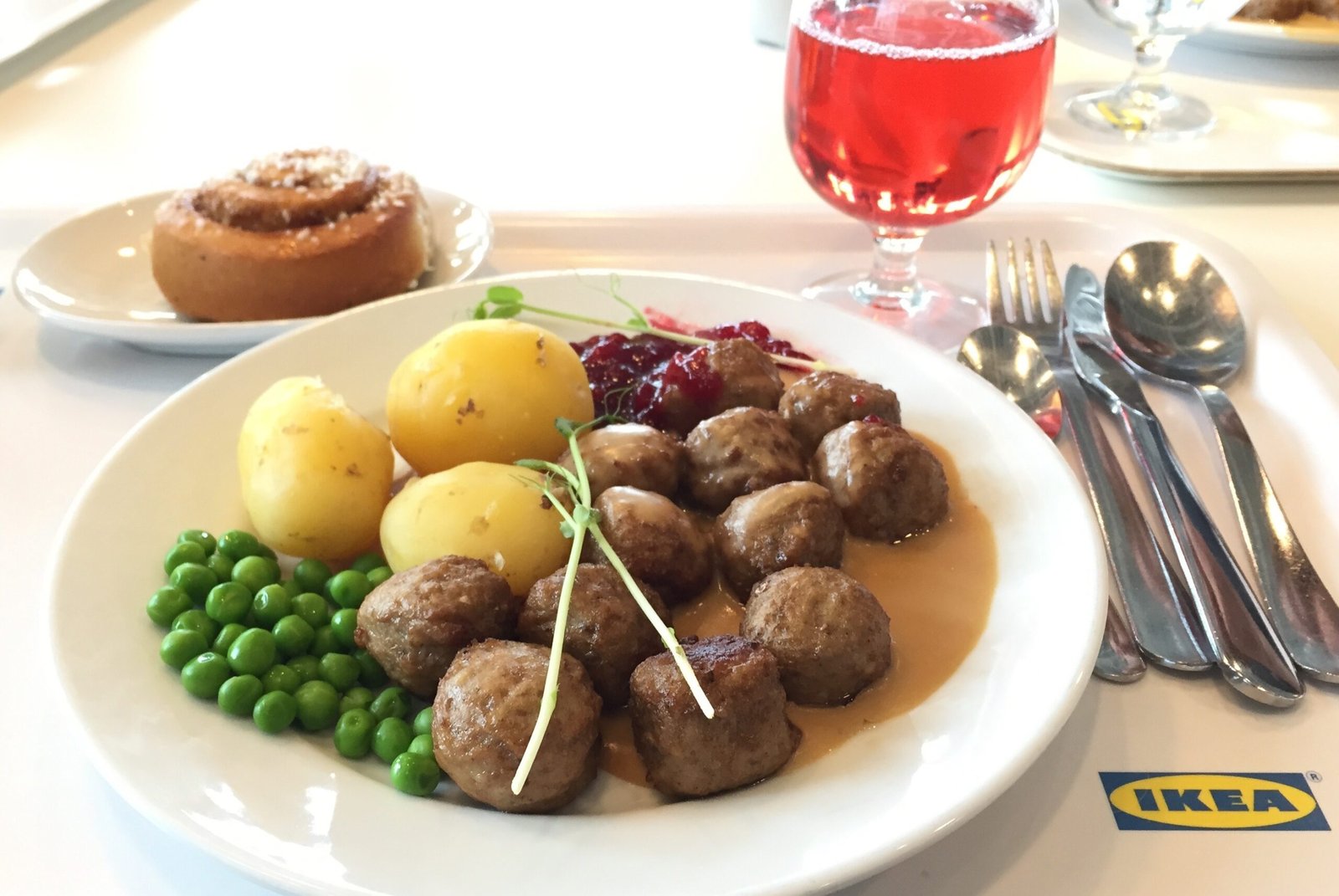
No list starts without them, though they’re far from the only star. Tender meatballs—usually a mix of beef, pork, and sometimes veal—seasoned lightly with onion, allspice, and breadcrumbs, then fried or baked. Served with creamy gravy, mashed or boiled potatoes, lingonberry jam, and pickled cucumber for that perfect tangy contrast.
I once had them at a tiny Stockholm spot after a long walk, and the warmth hit different—simple but deeply satisfying. Pros: comforting and versatile. Cons: can be heavy if over-portioned.
- Best accompaniments — Lingonberry jam (essential), brown sauce, potatoes
- Where to try — Classic versions at places like Pelikan or Riche in Stockholm
Pickled Herring (Inlagd Sill)
Herring is a cornerstone, pickled in countless ways: mustard, onion, dill, or spiced with Christmas flavors. It’s salty, tangy, and often served on crispbread with boiled potatoes, sour cream, and chives.
My first encounter was during Midsummer—everyone passed around plates, laughing at how “fishy” it was for newcomers. It’s an acquired taste but addictive once you get it. Often the center of smörgåsbord (buffet).
Gravlax (Cured Salmon)
Raw salmon cured in salt, sugar, and dill for days, resulting in silky, flavorful fish with a subtle sweetness. Sliced thin and served with mustard-dill sauce (gravlaxsås), often on bread or potatoes.
It’s elegant yet approachable—perfect for holidays or fika. Healthier than smoked salmon, with that fresh Nordic vibe.
Seafood and Seasonal Specialties
Sweden’s waters gift incredible seafood, celebrated in summer traditions.
Crayfish (Kräftor)
August crayfish parties (kräftskivor) are legendary: boiled with dill, beer, snaps, and silly paper hats. Sweet, briny meat eaten cold with bread and cheese.
The tradition dates back centuries, a joyful end-of-summer ritual. Outdoor feasts with lanterns and songs—pure fun.
Surströmming (Fermented Herring)
The infamous one: Baltic herring fermented in tins, opening with a pungent (to put it mildly) aroma. Served with tunnbröd (flatbread), potatoes, onion, and beer.
Only for the brave—it’s a northern tradition, often outdoors. Humor helps; many Swedes love the challenge.
Breads, Sides, and Staples
Bread is sacred here, from soft limpa to hard crispbread.
Crispbread (Knäckebröd)
Thin, crunchy rye bread that’s been a staple for ages. Topped with butter, cheese, or herring.
Versatile and healthy—pairs with everything.
Potato Pancakes (Raggmunk) or Bacon Pancakes (Fläskpannkaka)
Grated potato pancakes fried crisp, served with lingonberries and bacon. Or thick pancakes with pork.
Comfort food at its best—crispy edges, soft inside.
Sweets and Fika Culture
Fika—coffee break with pastry—is a daily ritual for connection.
Cinnamon Buns (Kanelbullar)
Swirled dough with cinnamon, cardamom, butter, and pearl sugar. Soft, gooey, best fresh from the oven.
October 4 is Kanelbullens Dag—national cinnamon bun day. Addictive.
Princess Cake (Prinsesstårta)
Layered sponge, vanilla cream, raspberry jam, whipped cream, under green marzipan dome with a pink rose.
Celebratory and beautiful—light yet indulgent.
Desserts and Other Treats
Kladdkaka (Sticky Chocolate Cake)
Gooey brownie-like cake, often with whipped cream.
Simple home baking favorite.
Semla (During Lent)
Cardamom bun filled with almond paste and whipped cream, dusted with icing sugar.
Pre-Lent indulgence—eaten with coffee.
Comparison: Classic vs. Adventurous Dishes
| Dish | Type | Flavor Profile | Best For | Adventurous Level |
|---|---|---|---|---|
| Köttbullar | Hearty main | Savory, creamy, tart | Everyday comfort | Low |
| Inlagd Sill | Seafood | Salty, tangy | Buffets, holidays | Medium |
| Gravlax | Cured fish | Fresh, herby | Elegant starters | Low |
| Surströmming | Fermented | Intense, pungent | Daring traditions | High |
| Kanelbullar | Sweet | Spicy-sweet | Fika | Low |
Where to Experience Authentic Swedish Food
In Stockholm, try Pelikan or Tennstopet for husmanskost classics. For smörgåsbord, head to traditional spots like Den Gyldene Freden (Sweden’s oldest restaurant, from 1722). In Gothenburg, seafood shines. For crayfish parties, join locals in August. Rural areas offer foraging experiences and game meats.
People Also Ask
What is the most famous Swedish food?
Swedish meatballs (köttbullar) top the list globally, thanks to IKEA, but locals often point to pickled herring or cinnamon buns as more authentic.
Is Swedish food healthy?
Yes—lots of fish (omega-3s), berries (antioxidants), whole grains, and dairy. Emphasis on fresh, seasonal, and balanced portions.
What is fika in Sweden?
A social coffee break with pastries, mandatory in daily life. It’s about pausing and connecting, not just eating.
Do Swedes eat a lot of fish?
Absolutely—herring, salmon, and crayfish are staples, especially preserved forms.
What is husmanskost?
Traditional home cooking: hearty, simple dishes like meatballs, pea soup, or pork with root mash.
FAQ
What are must-try traditional Swedish dishes for beginners?
Start with köttbullar, gravlax, pickled herring, kanelbullar, and lingonberry jam on something savory.
How do Swedes use lingonberries?
As a jam with meatballs, pancakes, porridge, black pudding—it’s the go-to tart counterpoint.
Is surströmming really that bad?
The smell is intense (like rotten fish), but the taste is milder—salty and umami-rich. Try it outdoors with friends and snaps.
What’s the difference between gravlax and smoked salmon?
Gravlax is cured (salt/sugar/dill), raw-tasting and fresh; smoked is cooked via smoking.
Where can I find good Swedish food outside Sweden?
Scandinavian restaurants, IKEA (for meatballs), or specialty shops for herring and crispbread.
Swedish cuisine rewards the curious eater. It’s not about extravagance—it’s about quality ingredients, balance, and sharing around the table. Next time you’re in Sweden, skip the tourist traps and seek out a local spot for real husmanskost. You might just find your new favorite comfort food.
Author

sheikhali002001@gmail.com
Related Posts
Guide to Swedish Cuisine: Top Traditional Dishes to Try
Swedish cuisine often gets reduced to one famous export: meatballs from IKEA. But if you’ve ever sat in a cozy Stockholm café...
Read out all
The 7 Traditional Swedish Foods You Have to Try When Visiting Sweden
Imagine stepping off a plane in Stockholm, the crisp air hitting your face, and your first thought isn’t about sightseeing—it’s about food....
Read out all