Russian cuisine is hearty, comforting, and deeply rooted in the country’s vast landscapes and harsh winters. Think warming soups that simmer for hours, dough-wrapped treasures stuffed with simple yet flavorful fillings, and dishes that turn basic ingredients like beets, cabbage, potatoes, and dairy into something soul-satisfying. Growing up—or at least from stories passed down and trips I’ve taken—I’ve always found Russian food to feel like a hug from a no-nonsense grandma who insists you eat more because “it’s cold outside.” It’s not fancy fusion; it’s practical, seasonal, and built to sustain.
This guide dives into 36 popular Russian dishes that capture the essence of the cuisine, from everyday staples to festive favorites. Then, I’ll share 8 secret recipe tips drawn from traditional methods to help you recreate them authentically at home. Whether you’re planning a trip to Russia, exploring new flavors, or just craving something cozy, these will give you a real taste of what makes Russian food so enduring.
The Heart of Russian Cuisine
Russian food reflects centuries of adaptation to cold climates, abundant forests, rivers, and fields. Staples include root vegetables, fermented foods for preservation, hearty grains, and generous use of sour cream (smetana) or dill for brightness. Meals often start with zakuski (appetizers) paired with vodka, move to soups, then mains, and end with tea and sweets. It’s communal—food brings people together around the table for long conversations.
Breakfast Favorites
Russian mornings are simple yet filling, focusing on quick energy for the day ahead.
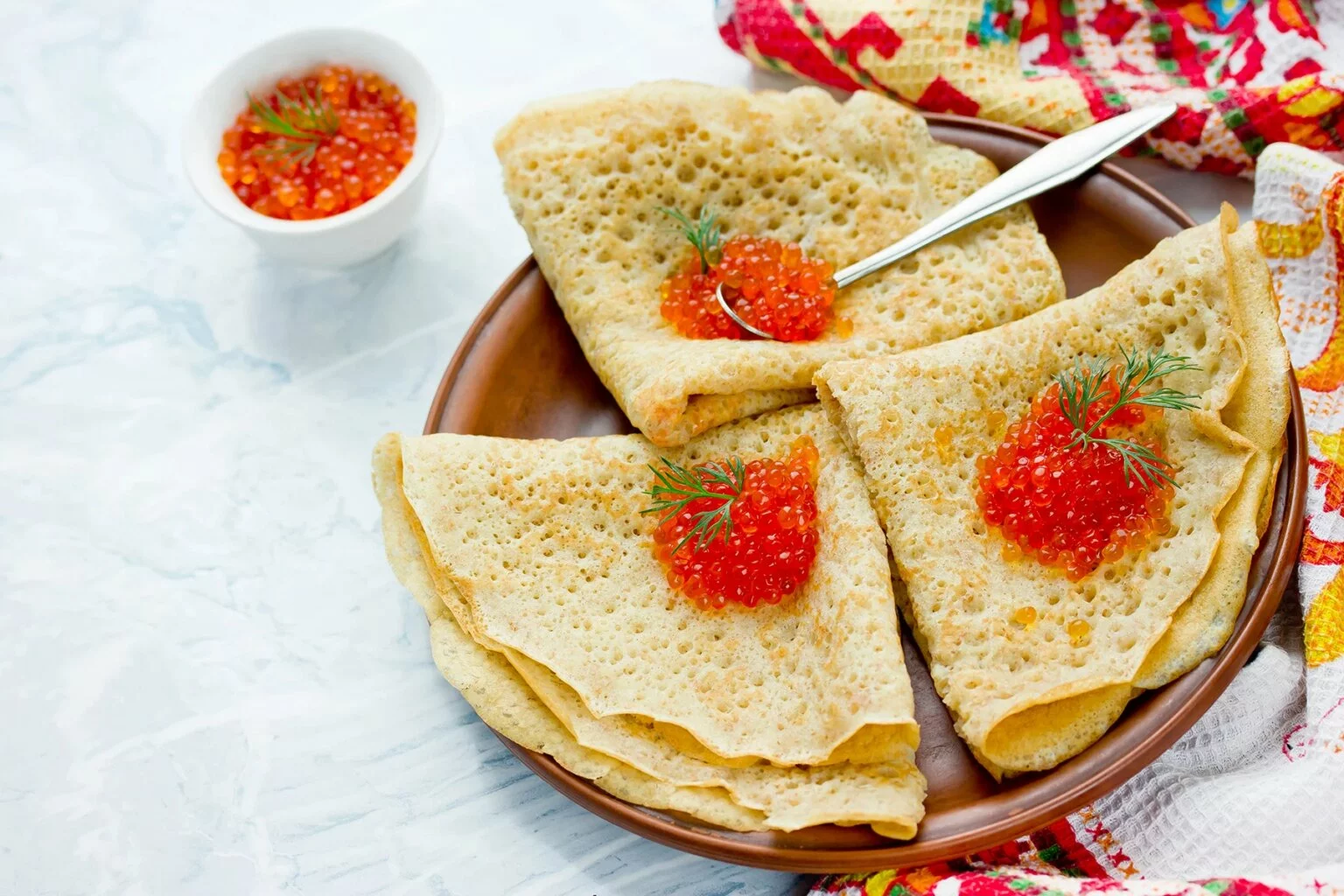
Blini (Thin Pancakes)
These versatile crepe-like pancakes symbolize the sun and are eaten year-round, especially during Maslenitsa (Pancake Week). Serve sweet with jam or savory with caviar and sour cream.
Syrniki (Cottage Cheese Pancakes)
Made from tvorog (farmer’s cheese), these golden fritters are slightly tangy and crisp outside, soft inside. A childhood favorite—top with honey or sour cream for breakfast bliss.
Kasha (Porridge)
Buckwheat (grechka) reigns supreme, but oatmeal or millet versions exist too. Cooked slowly with milk or water, it’s nutty, comforting, and often topped with butter.
Zapekanka (Cottage Cheese Casserole)
A baked tvorog dish similar to cheesecake but less sweet—sometimes with raisins or semolina. It’s like a warm, custardy hug in a dish.
Appetizers and Salads (Zakuski)
These small plates are perfect for sharing over drinks.
Olivier Salad (Russian Salad)
A mayo-bound mix of boiled potatoes, carrots, peas, pickles, eggs, and bologna or chicken. It’s a New Year’s staple—creamy, tangy, and nostalgic.
Herring Under a Fur Coat (Shuba)
Layered beets, herring, potatoes, carrots, eggs, and mayo. The “fur coat” is the beet layer—vibrant, earthy, and surprisingly addictive.
Vinegret (Beet Salad)
Boiled beets, potatoes, carrots, pickles, and peas dressed in oil. A lighter, vinaigrette-style salad that’s colorful and refreshing.
Pickled Mushrooms and Cucumbers
Fermented or pickled veggies are everywhere—crisp, sour, and perfect with vodka.
Soups – The Soul of Russian Meals
Soup is non-negotiable; Russians eat it daily.
Borscht (Beet Soup)
The iconic red soup with beets, cabbage, potatoes, and meat. Each region varies—some add tomatoes, others serve hot or cold. It’s bright, tangy, and deeply satisfying.
Shchi (Cabbage Soup)
Fresh or sauerkraut cabbage in broth with veggies and meat. Simple but profound—sour versions from fermentation add punch.
Solyanka
A thick, spicy soup with mixed meats, sausages, pickles, olives, and lemon. It’s bold, salty, and perfect for hangovers.
Okroshka
Cold summer soup with kvass (fermented bread drink), boiled veggies, meat, eggs, and herbs. Refreshing on hot days.
Ukha
Clear fish soup with potatoes, carrots, and dill. Light yet flavorful—often made with fresh river fish.
Main Dishes
These are hearty centerpieces.
Pelmeni (Meat Dumplings)
Siberian staples—minced meat (pork/beef) in thin dough, boiled and served with sour cream or butter. Family making sessions are a tradition.
Beef Stroganoff
Tender beef strips in creamy mushroom sauce. Served over noodles or rice—elegant yet comforting.
Shashlik (Grilled Meat Skewers)
Marinated pork or lamb grilled over coals. Smoky, juicy, and a summer favorite at dachas (country homes).
Golubtsy (Stuffed Cabbage Rolls)
Cabbage leaves filled with meat and rice, braised in tomato sauce. Tender and flavorful.
Kotleti (Meat Patties)
Ground meat patties, often with bread or potatoes. Simple pan-fried comfort.
Pirozhki (Stuffed Pies)
Baked or fried dough pockets with meat, cabbage, potatoes, or fruit. Street food gold.
Chebureki
Deep-fried turnovers with meat filling—crispy, greasy, irresistible.
Baked Goods and Desserts
Russians love their dough and sweets.
Medovik (Honey Cake)
Layered honey cakes with cream—sweet, moist, and decadent.
Pryaniki (Honey Spice Cookies)
Gingerbread-like treats with icing—often from Tula.
Vatrushki (Cheese Pastries)
Open-faced buns with tvorog filling—sweet or savory.
Napoleon Cake
Flaky puff pastry layers with custard—rich and impressive.
Ptichye Moloko (Bird’s Milk Cake)
Chocolate-covered marshmallow-like souffle—unique and airy.
Drinks
No meal is complete without these.
Kvass — Fermented bread drink, slightly sweet and tangy.
Mors — Berry drink from cranberries or lingonberries.
Vodka and Tea — Vodka for toasts, strong black tea with jam.
Comparison of Popular Soups
| Soup | Key Ingredients | Temperature | Flavor Profile | Best For |
|---|---|---|---|---|
| Borscht | Beets, cabbage, meat | Hot | Tangy, earthy | Winter comfort |
| Shchi | Cabbage, broth, veggies | Hot | Sour (if sauerkraut) | Everyday meal |
| Solyanka | Mixed meats, pickles, olives | Hot | Spicy, salty | Hangover cure |
| Okroshka | Kvass, veggies, meat | Cold | Refreshing, tangy | Summer days |
| Ukha | Fish, potatoes, herbs | Hot | Light, brothy | Fish lovers |
Pros of Russian soups: Nutritious, use seasonal ingredients, make great leftovers.
Cons: Can be time-intensive; some (like borscht) stain everything red.
8 Secret Recipe Tips for Authentic Russian Cooking
- Sour cream is king — Add it generously to soups, dumplings, and pancakes for creaminess and tang. Use full-fat for authenticity.
- Fermentation magic — Sauerkraut or pickled veggies add depth. For borscht, a splash of vinegar brightens the beets without overpowering.
- Long simmers — Let soups like borscht or shchi bubble slowly for hours—flavors meld into something greater than the sum.
- Dough handling — For pelmeni or pirozhki, keep dough thin but sturdy. Rest it to make rolling easier; avoid over-flouring.
- Dill everywhere — Fresh dill finishes almost every savory dish—chop generously for aroma and freshness.
- Mushrooms rule — Dried porcini soaked in water add umami to stews or soups—use the soaking liquid too.
- Butter generously — Russians love butter on kasha, blini, or bread—it’s not optional for richness.
- Taste and adjust — Russian food balances sour, salty, and savory. Taste often—add lemon, salt, or sugar as needed.
People Also Ask
What is the most famous Russian dish?
Pelmeni or borscht often top the list—pelmeni as the national dumpling, borscht for its iconic color and flavor.
Is Russian food spicy?
Not typically—it’s more tangy, sour, and hearty than hot. Horseradish or mustard adds kick sometimes.
What do Russians eat for breakfast?
Kasha, syrniki, blini, or tvorog with sour cream—quick, dairy-heavy, and filling.
Is Russian salad the same as Olivier?
Yes—it’s the same mayo-dressed mix, named after chef Lucien Olivier.
What is a typical Russian dinner?
Soup first, then meat or fish with potatoes, salad, bread, and tea—always hearty.
FAQ
What makes Russian food unique?
Its reliance on preservation techniques (pickling, fermenting) due to long winters, plus emphasis on seasonal, local ingredients.
Can I make these dishes vegetarian?
Absolutely—swap meat for mushrooms or lentils in pelmeni, borscht, or shchi.
Where to try authentic Russian food?
In Russia, look for stolovayas (cafeterias) or home-style spots. Abroad, seek Eastern European restaurants.
Is caviar really that common?
It’s a luxury, not everyday—but blini with red or black caviar is a classic treat.
How healthy is Russian cuisine?
Mixed—lots of veggies and fermented foods, but heavy on dairy, meat, and mayo in salads.
Russian food isn’t about show—it’s about warmth, flavor from humble ingredients, and sharing. Try one dish this week; start with blini or borscht. You’ll see why it keeps generations coming back to the table. Priyatnogo appetita! (Bon appétit!)
Author

sheikhali002001@gmail.com
Related Posts
24 Interesting Facts About Russian Cuisine
Russian cuisine is one of those hidden gems in the world of food—often misunderstood or reduced to stereotypes like endless potatoes and...
Read out all
When Russian Cuisine Turns Georgian
The 5 Most Popular Russian Foods & Cuisines reveal a hearty, comforting world shaped by long winters, vast landscapes, and a mix...
Read out all