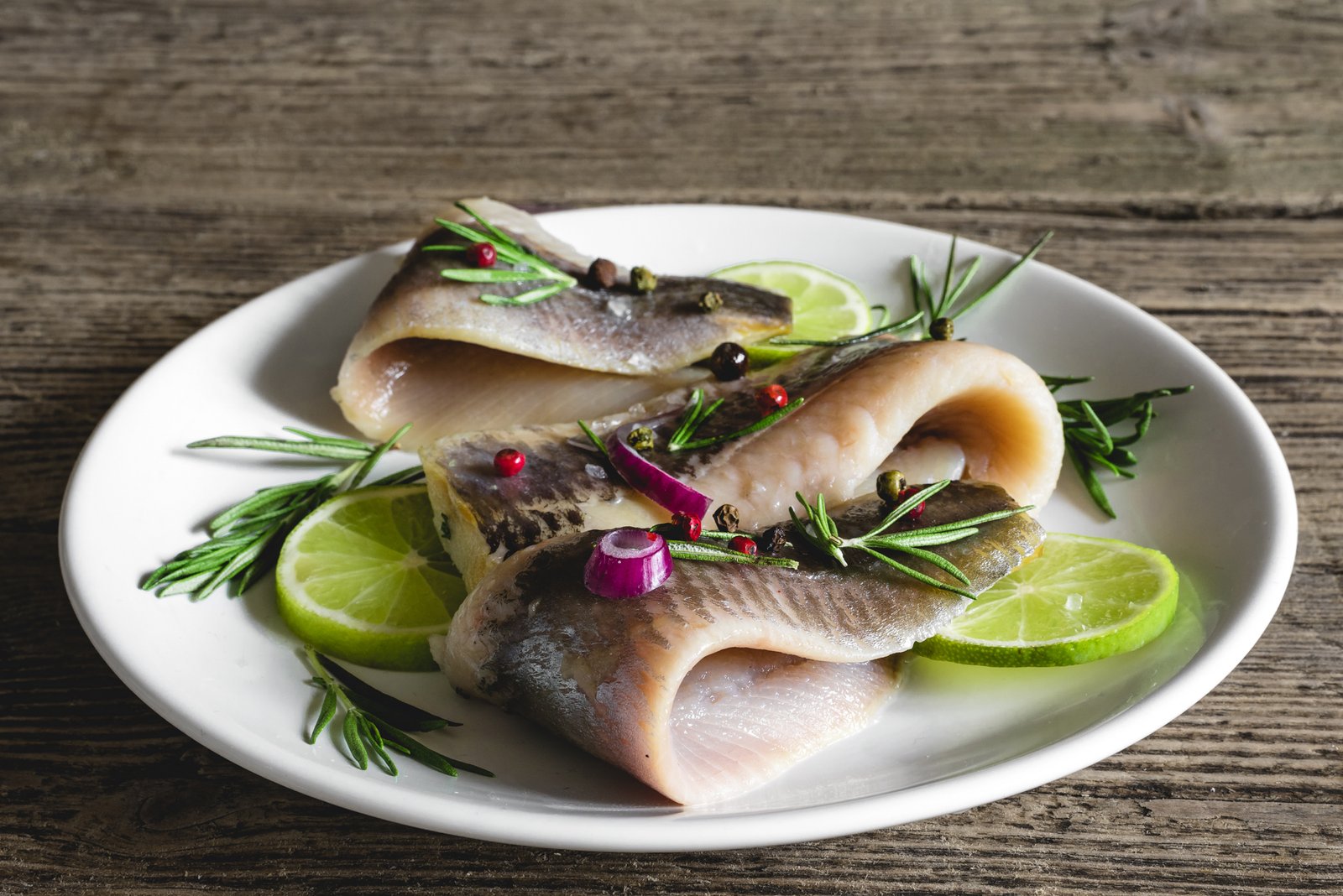
Norway’s traditional cuisine is a heartfelt reflection of its rugged landscape, long winters, and deep connection to nature. Growing up hearing stories from friends who ventured north, or from my own trips where the cold air sharpened every flavor, I’ve come to appreciate how Norwegian food isn’t about flashy spices—it’s about honest ingredients handled with care. Think fresh seafood from icy fjords, hearty meats from mountain farms, and clever preservation techniques born from necessity. If you’re planning a visit or just curious, these dishes capture the soul of Norway. Let’s dive into the best ones to try, starting with the absolute musts.
Fårikål: Norway’s National Dish
Fårikål holds the crown as Norway’s official national dish, voted by the people themselves. This simple stew combines lamb (or mutton) with cabbage, whole black peppercorns, and little else—slow-cooked until tender and flavorful. It’s pure comfort, especially on chilly autumn days when Fårikål Day (last Thursday in September) brings families together.
Many Norwegians swear by it as the ultimate homey meal. The peppercorns add a gentle warmth that builds slowly, and the broth soaks into boiled potatoes served alongside. If you’re in Oslo or Bergen, look for it on seasonal menus—it’s straightforward but deeply satisfying.
Brunost: The Sweet Brown Cheese
No list of Norwegian foods is complete without brunost, that iconic brown cheese with a caramel-like sweetness. Made by boiling whey from goat’s or cow’s milk until it thickens and browns, it’s sliced thin and often eaten on bread or waffles.
I remember my first bite in a small café overlooking a fjord—expecting something savory, I was surprised by the toffee notes. It’s divisive for some visitors, but once you spread it on warm waffle with a dab of jam, it clicks. Pair it with coffee for the classic Norwegian “koselig” experience.
Lefse: The Versatile Flatbread
Lefse is a soft, potato-based flatbread that’s rolled thin and griddled. It comes in sweet versions with cinnamon-sugar or savory ones wrapped around meats.
This staple traces back centuries, often made in batches during holidays. Norwegians love it with butter and brunost, or as “lefse wraps” for sausages. It’s comforting and adaptable—try it fresh from a bakery for the real deal.
Lutefisk: The Christmas Classic
Lutefisk might raise eyebrows—dried cod soaked in lye, then rinsed and steamed until gelatinous. Served with bacon, peas, potatoes, and butter sauce, it’s a holiday tradition.
The texture is unique (jiggly yet flaky), and the mild flavor lets the sides shine. Many families have funny stories about it—my Norwegian acquaintance jokes it’s “love it or leave it” food. Brave souls try it during Christmas markets.
Rakfisk: Fermented Trout Adventure
Rakfisk is fermented trout, salted and left to age for months, developing a pungent aroma and rich taste. Eaten raw or lightly cooked with flatbread, sour cream, and onions.
It’s not for the faint-hearted—the smell hits first—but the flavor is surprisingly nuanced, like a funky cheese. Inland valleys like Valdres produce the best; festivals celebrate it. If you’re adventurous, it’s a true taste of Norwegian heritage.
Gravlaks: Cured Salmon Perfection
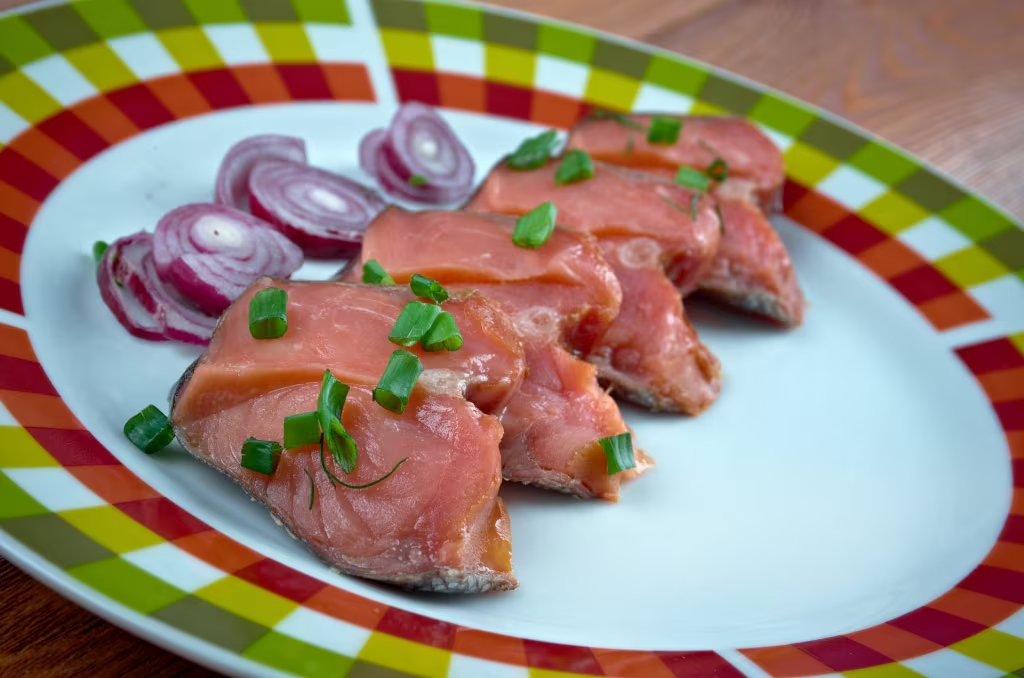
Gravlaks (buried salmon) is salmon cured with salt, sugar, dill, and pepper. The result is silky, flavorful fish that’s less smoky than regular smoked salmon.
It’s elegant yet everyday—served on bread or in salads. Norway’s salmon is world-class, and gravlaks highlights its freshness. Try it at a smørgåsbord for variety.
Pickled Herring and Seafood Staples
Herring appears pickled, marinated, or in salads—often with onions, dill, or mustard. It’s a breakfast or smørgåsbord staple.
Norway’s waters yield incredible seafood—try fiskesuppe (fish soup) creamy with root veggies, or fiskekaker (fish cakes) pan-fried and hearty. Fresh cod or skrei (seasonal migrating cod) shines simply grilled.
Kjøttkaker: Norwegian Meatballs
These large meatballs mix beef, pork, or game, served in brown gravy with peas, lingonberries, and potatoes.
They’re comforting home cooking—bigger and milder than Swedish versions. Many families have their recipe; it’s Sunday dinner material.
Pinnekjøtt: Salted Lamb Ribs
Pinnekjøtt features salted, dried (sometimes smoked) lamb ribs, steamed over birch sticks and served with mashed rutabaga and potatoes.
A Christmas favorite, especially in western Norway. The meat is tender and intensely flavored—perfect for cold nights.
Smalahove: Sheep’s Head Specialty
Smalahove is a boiled or steamed sheep’s head—eyes, ears, and all. It’s a western Norway delicacy, often shared at gatherings.
The cheek and tongue are prized; it’s salty and rich. Not everyday fare, but a cultural icon for the bold.
Other Must-Tries
Norwegian cuisine includes comforting sweets and snacks too.
- Norwegian Waffles (Vafler) — Heart-shaped, served with sour cream, jam, or brunost. A cozy afternoon treat.
- Skolebrød — Cardamom buns filled with custard, iced, and coconut-dipped. “School bread” that’s addictive.
- Rømmegrøt — Sour cream porridge topped with butter and sugar. Rich and warming.
Comparison of Iconic Norwegian Dishes
Here’s a quick table comparing some standout dishes:
| Dish | Key Ingredients | Flavor Profile | Best Time/Place to Try | Adventurous Level |
|---|---|---|---|---|
| Fårikål | Lamb, cabbage, peppercorns | Mild, savory, hearty | Autumn, nationwide | Low |
| Brunost | Whey cheese | Sweet, caramel-like | Anytime, on waffles | Medium |
| Lutefisk | Lye-soaked cod | Mild, gelatinous | Christmas | High |
| Rakfisk | Fermented trout | Pungent, funky | Inland festivals | Very High |
| Gravlaks | Cured salmon, dill | Fresh, herby | Year-round | Low |
| Pinnekjøtt | Salted lamb ribs | Salty, tender | Christmas | Medium |
Pros and Cons of Trying Adventurous Norwegian Foods
Pros:
- Authentic cultural immersion
- High-quality, sustainable ingredients
- Unique flavors not found elsewhere
- Often tied to traditions and stories
Cons:
- Strong smells/textures can surprise newcomers
- Some dishes seasonal or regional
- Preservation methods (fermentation, lye) may not appeal to all
Where to Experience Traditional Norwegian Food
In Oslo, try traditional spots for husmannskost (homestyle fare). Bergen offers fresh seafood—fish soup is legendary. For holidays, Christmas markets feature lutefisk and pinnekjøtt. Rural areas shine for rakfisk or smalahove.
People Also Ask
What is the national dish of Norway?
Fårikål, the simple lamb and cabbage stew, voted as the national dish.
Is Norwegian food spicy?
Not typically—it’s mild, focusing on natural flavors, with pepper or herbs for subtle warmth.
What is the most famous Norwegian cheese?
Brunost (brown cheese), sweet and caramelized, a staple on bread or waffles.
What weird Norwegian foods should I try?
Rakfisk (fermented fish), lutefisk (lye fish), or smalahove (sheep’s head) for bold experiences.
Is salmon a traditional Norwegian food?
Yes—gravlaks and smoked salmon highlight Norway’s exceptional seafood.
FAQ
What are the top 5 traditional Norwegian foods to try?
- Fårikål (national stew)
- Brunost (brown cheese)
- Gravlaks (cured salmon)
- Lefse (potato flatbread)
- Lutefisk or rakfisk (for adventurous eaters).
Is Norwegian food healthy?
Often yes—rich in omega-3s from fish, lean meats, and root veggies. Preservation keeps nutrients intact.
Can vegetarians enjoy traditional Norwegian food?
Options like lefse, waffles, rømmegrøt, and potato dishes work well. Modern spots offer adaptations.
Where can I buy brunost outside Norway?
Specialty Scandinavian stores or online—look for Ski Queen brand.
What’s a good beginner Norwegian meal?
Start with gravlaks on flatbread or waffles with brunost—approachable and delicious.
Norwegian food rewards the open-minded. It’s not always pretty or mild, but it’s honest and tied to the land and seasons. Next time you’re there, skip the tourist traps and seek out a family-run spot— that’s where the real magic happens. Have you tried any yet? Which one calls to you first?
Author

sheikhali002001@gmail.com
Related Posts
Norwegian Food: 27 Iconic Dishes to Try
Traditional Norwegian cuisine is hearty, straightforward, and deeply tied to the country’s rugged landscape, long winters, and abundant natural resources. Expect fresh...
Read out all
Traditional Norwegian Food & Drink Guide
Norway’s traditional food and drink scene is like stepping into a cozy cabin during a long winter—simple, hearty, and deeply tied to...
Read out all