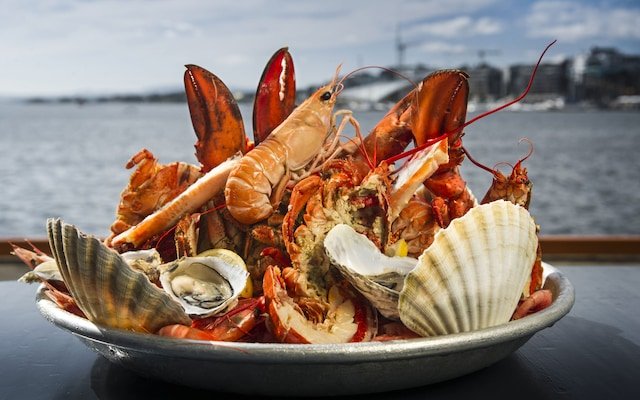
Norway’s traditional food and drink scene is like stepping into a cozy cabin during a long winter—simple, hearty, and deeply tied to the land and sea. Growing up hearing stories from family friends who emigrated from Oslo, I’ve always been fascinated by how Norwegians turned harsh conditions into flavorful, sustaining meals. The cuisine relies on preservation techniques from centuries past—no fancy spices, just salt, smoke, fermentation, and time. Fresh seafood dominates, game meats add depth, and everyday staples like potatoes and berries round things out. Drinks? Coffee flows like water, and aquavit warms the soul.
This guide dives deep into the classics, from everyday comforts to bold holiday dishes that might raise an eyebrow. Whether you’re planning a trip or cooking at home, you’ll find what makes Norwegian eating so satisfying.
The Foundations of Norwegian Cuisine
Norway’s food reflects its geography: a long coastline for fish, mountains for game, and short growing seasons that favor hardy crops and dairy. Preservation was key before refrigeration—drying, salting, smoking, and fermenting created unique flavors that locals still crave.
Modern twists exist, especially in cities like Oslo and Bergen, but traditions endure. Think seasonal, local, and no waste.
Iconic Seafood Dishes
Seafood is king in Norway, thanks to cold, clean waters.
Fiskesuppe (Fish Soup)
This creamy, comforting soup warms you from the inside out on chilly days. It usually includes chunks of cod or salmon, shrimp, root vegetables like carrots and potatoes, and a touch of cream or milk. Every coastal town has its version—some add dill or leeks for extra freshness. Pair it with flatbread for a simple lunch that feels like home.
Gravlaks (Cured Salmon)
Cured with salt, sugar, and dill, gravlaks has a silky texture and subtle sweetness. It’s often served thinly sliced on rye bread or with mustard sauce. This dish shows how Norwegians elevate simple ingredients—salmon is world-famous here, and curing keeps it fresh for months.
Lutefisk
Dried cod soaked in lye until jelly-like, then boiled and served with bacon, peas, and potatoes. It’s a Christmas staple that divides opinions—some love the mild, gelatinous bite; others find it odd. The tradition dates back to Viking times, and a shot of aquavit helps it go down smoothly.
Rakfisk
Fermented trout from inland valleys, especially around Valdres. Salted and left to ferment for weeks, it develops a strong, pungent aroma (think blue cheese meets fish). Served raw with flatbread, onions, and sour cream. There’s even a festival for it—proof that Norwegians embrace bold flavors.
Tørrfisk / Klippfisk (Stockfish / Clipfish)
Air-dried or salted cod, a historic export. Rehydrated and cooked simply with potatoes and bacon. The texture is firm and flaky—perfect for stews or grilled.
Meat and Game Specialties
Meat dishes often feature lamb, reindeer, or pork, with simple seasonings.
Fårikål
Norway’s national dish: lamb and cabbage simmered with whole peppercorns for hours. No fancy extras—just tender meat, soft cabbage, and peppery broth. Served with boiled potatoes. It’s pure comfort, especially in fall when cabbage is fresh.
Pinnekjøtt
Salted, dried, and steamed lamb ribs, a Christmas favorite in western Norway. The meat falls off the bone, salty and rich. Paired with mashed rutabaga and potatoes.
Smalahove
Whole sheep’s head, singed, smoked, and boiled. Eaten from the cheek to the eye—yes, the eye too. A western Norwegian tradition, often with beer and aquavit. It’s intense, but the flavors are surprisingly delicate once you get past the look.
Reinsdyrstek (Reindeer Steak)
Gamey and lean, like venison but milder. Pan-seared with lingonberries or juniper. Reindeer herding by Sami people adds cultural depth.
Kjøttkaker (Meatballs)
Beef or pork meatballs in brown gravy, served with peas, lingonberries, and potatoes. Everyday comfort food—better than IKEA’s (sorry, Swedes).
Dairy, Breads, and Sides
Dairy shines bright.
Brunost (Brown Cheese)
Caramelized whey cheese—sweet, tangy, fudge-like. Made by boiling whey from goat or cow milk. Sliced thin on bread or waffles.
Rømmegrøt (Sour Cream Porridge)
Rich sour cream porridge topped with butter, sugar, and cinnamon. A festive treat, often at Christmas or Midsummer.
Lefse
Soft potato flatbread, rolled thin and grilled. Sweet versions with cinnamon-sugar, savory with meats.
Flatbrød
Crisp, unleavened bread from barley or potatoes. Staple for open-faced sandwiches (smørbrød).
Waffles (Vafler)
Heart-shaped, served with sour cream and jam. Weekend ritual in many homes.
Sweets and Desserts
Norwegians love baked goods.
Skolebrød (School Buns)
Cardamom buns filled with custard, iced, and coconut-dipped. Named because kids bought them at school.
Krumkake / Kransekake
Cone-shaped waffle cookies or ring cakes for celebrations.
Cloudberries (Multekrem)
Golden berries from marshes, served with whipped cream. Tart-sweet luxury.
Traditional Norwegian Drinks
Coffee is huge—Norwegians rank among the world’s top consumers, often black in big mugs.
Aquavit (Akevitt)
National spirit: potato- or grain-based, flavored with caraway, dill, anise. Aged in oak barrels. Served room temperature in small glasses, especially with fatty foods like lutefisk or pinnekjøtt. “Water of life” indeed—it cuts richness and warms you up.
Beer
Craft scene booming, but traditional lagers pair with meals.
Cider
Hard apple or pear ciders gaining popularity.
Other
Karsk (coffee with moonshine), or mulled gløgg in winter.
Regional Variations and Where to Try Them
Norway’s food changes by region.
- Western Norway (Bergen area) — Smalahove, rakfisk, fresh seafood.
- Eastern Norway (Oslo) — More urban twists, but classics like fårikål.
- Northern Norway — Reindeer, stockfish.
- Coastal — Fish everything.
Best spots
In Oslo, try traditional places like Café Skansen for fish soup or Larsens for weekly specials like raspeball. In Bergen, Pingvinen or Bryggeloftet & Stuene serve hearty classics like raspeballer and lamb. Markets like Bergen Fish Market offer fresh tastes.
Comparison: Everyday vs. Festive Dishes
| Aspect | Everyday Meals | Festive/Holiday Meals |
|---|---|---|
| Focus | Simple, quick (smørbrød, soup) | Elaborate preservation (lutefisk, pinnekjøtt) |
| Ingredients | Potatoes, fish, bread | Lamb, fermented fish, special meats |
| Preparation | Boiled, grilled | Long curing/smoking/steaming |
| Pairings | Coffee, water | Aquavit, beer |
| Vibe | Casual family | Gathering, tradition |
Pros and Cons of Trying Traditional Norwegian Food
Pros
- Fresh, high-quality ingredients (wild fish, game).
- Healthy aspects (lean meats, berries).
- Cultural immersion—stories behind each dish.
- Comforting in cold weather.
Cons
- Strong flavors (fermented, lye-treated) not for everyone.
- Limited vegetarian options traditionally.
- Some dishes seasonal or regional.
- Can be pricey in restaurants.
People Also Ask (PAA)
What is the national dish of Norway?
Fårikål—simple lamb and cabbage stew seasoned with peppercorns. It’s voted Norway’s national dish in polls.
What is lutefisk and why do Norwegians eat it?
Lye-soaked dried cod that turns jelly-like. A Christmas tradition from preservation needs—served with bacon and aquavit to balance.
Is Norwegian food spicy?
No—mostly mild, relying on salt, pepper, herbs like dill. Boldness comes from fermentation or gamey meats.
What do Norwegians eat for breakfast?
Open-faced sandwiches (smørbrød) with cheese, meats, or brunost on bread. Plus coffee.
Where can I try traditional Norwegian food in Oslo or Bergen?
Oslo: places like Kaffistova or traditional pubs. Bergen: Pingvinen for hearty stews or fish markets.
FAQ
Is Norwegian food healthy?
Yes, often—lots of omega-3 from fish, lean game, berries rich in antioxidants. Dairy is prominent, so moderation helps.
Can I make traditional Norwegian dishes at home?
Absolutely. Fårikål or gravlaks are easy starters. Brunost is trickier but available imported.
What’s the deal with aquavit?
It’s flavored spirit, best sipped slowly. Try Linie Aquavit, which crosses the equator in barrels for unique aging.
Are there vegetarian traditional options?
Limited historically, but rømmegrøt, waffles, lefse, and potato dishes work. Modern spots adapt.
Why is coffee so big in Norway?
Social ritual—highest per capita consumption. Breaks involve “kaffepause” with cake.
Traditional Norwegian food isn’t flashy—it’s honest, rooted in survival and celebration. Next time you’re near fjords or mountains, seek out a local spot. A bite of fårikål or sip of aquavit connects you to centuries of hardy people making the most of what nature gives. Skål!
Author

sheikhali002001@gmail.com
Related Posts
Norwegian Food: 27 Iconic Dishes to Try
Traditional Norwegian cuisine is hearty, straightforward, and deeply tied to the country’s rugged landscape, long winters, and abundant natural resources. Expect fresh...
Read out all
Experience Authentic Traditional Norwegian Food
Norway’s traditional cuisine is a heartfelt reflection of its rugged landscape, long winters, and deep connection to nature. Growing up hearing stories...
Read out all